Water aeration is a crucial process in maintaining the health and quality of water bodies, whether it’s a small pond in a backyard garden or a large commercial lake. As a supplier of floating fountains, I often encounter the question: Can a floating fountain aerate water? In this blog post, I’ll delve into the science behind water aeration, explain how floating fountains contribute to this process, and discuss the benefits they offer. Floating Fountain
The Science of Water Aeration
Before we explore the role of floating fountains in water aeration, let’s first understand what water aeration is and why it’s important. Water aeration is the process of increasing the oxygen content in water, which is essential for the survival of aquatic life. Oxygen is required by fish, plants, and beneficial bacteria in the water to carry out their metabolic processes. Without sufficient oxygen, these organisms can suffocate and die, leading to water quality issues such as foul odors, algal blooms, and fish kills.
There are several ways to aerate water, including mechanical aeration, diffused aeration, and surface aeration. Mechanical aeration involves using devices such as pumps, blowers, or mixers to agitate the water and increase its contact with the air. Diffused aeration, on the other hand, uses fine bubbles to introduce oxygen into the water from the bottom up. Surface aeration, as the name suggests, involves agitating the water surface to increase the transfer of oxygen from the air into the water.
How Floating Fountains Aerate Water
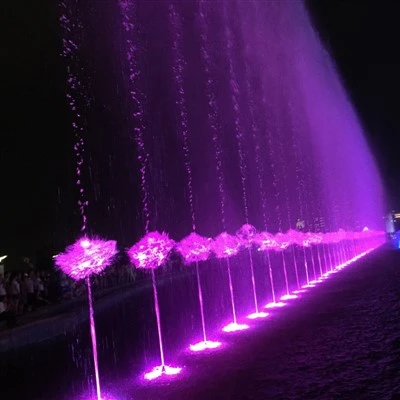
Floating fountains are a type of surface aerator that uses a pump to draw water from the pond or lake and spray it into the air in the form of a fountain. As the water is sprayed into the air, it creates a large surface area of water droplets that come into contact with the air. This increases the transfer of oxygen from the air into the water, thus aerating the water.
The design of the floating fountain plays a crucial role in its aeration efficiency. Fountains with a higher spray height and a wider spray pattern generally have a greater aeration capacity because they create a larger surface area of water droplets in contact with the air. Additionally, the shape and size of the nozzles used in the fountain can also affect its aeration efficiency. Nozzles that produce smaller water droplets tend to have a higher aeration efficiency because they have a larger surface area per unit volume of water.
Another factor that affects the aeration efficiency of a floating fountain is the flow rate of the water. A higher flow rate means that more water is being sprayed into the air, which increases the surface area of water droplets in contact with the air and thus enhances the aeration process. However, it’s important to note that increasing the flow rate also requires more energy, so there is a trade-off between aeration efficiency and energy consumption.
Benefits of Using Floating Fountains for Water Aeration
There are several benefits of using floating fountains for water aeration, which make them a popular choice for both residential and commercial applications.
1. Improved Water Quality
As mentioned earlier, water aeration is essential for maintaining the health and quality of water bodies. By increasing the oxygen content in the water, floating fountains help to promote the growth of beneficial bacteria that break down organic matter, such as dead plants and fish waste. This reduces the levels of harmful substances such as ammonia and nitrite in the water, which can be toxic to aquatic life. Additionally, aeration also helps to prevent the formation of stagnant water areas, which can harbor mosquitoes and other pests.
2. Enhanced Aesthetic Appeal
In addition to their aeration benefits, floating fountains also add a beautiful and decorative element to water bodies. The sight of a fountain spraying water into the air can create a soothing and relaxing atmosphere, making it a popular feature in gardens, parks, and commercial landscapes. There are a variety of fountain designs available, ranging from simple and elegant to elaborate and complex, allowing you to choose a fountain that complements the style and theme of your outdoor space.
3. Cost-Effective Solution
Compared to other types of aeration systems, floating fountains are relatively inexpensive to purchase and install. They also require minimal maintenance, as they are self-contained units that can be easily moved and adjusted as needed. Additionally, floating fountains are energy-efficient, as they use a relatively small amount of electricity to operate. This makes them a cost-effective solution for aerating water bodies of all sizes.
4. Easy to Install and Operate
Floating fountains are designed to be easy to install and operate, even for those with limited technical knowledge. Most floating fountains come with a pre-assembled pump and nozzle system that can be easily attached to the floating platform. Once installed, the fountain can be operated using a simple on/off switch or a timer. This makes it a convenient and hassle-free solution for maintaining the health and quality of your water body.
Factors to Consider When Choosing a Floating Fountain for Water Aeration
When choosing a floating fountain for water aeration, there are several factors that you should consider to ensure that you select a fountain that meets your specific needs and requirements.
1. Size of the Water Body
The size of the water body is one of the most important factors to consider when choosing a floating fountain. The larger the water body, the more powerful the fountain will need to be to effectively aerate the water. As a general rule of thumb, you should choose a fountain that has a flow rate of at least 10% of the volume of the water body per hour. For example, if you have a pond that is 10,000 gallons in volume, you should choose a fountain that has a flow rate of at least 1,000 gallons per hour.
2. Depth of the Water
The depth of the water is another important factor to consider when choosing a floating fountain. Fountains are designed to operate in water that is a certain depth, and if the water is too shallow or too deep, the fountain may not function properly. As a general rule of thumb, you should choose a fountain that is designed to operate in water that is at least 2 feet deep.
3. Type of Nozzle
The type of nozzle used in the fountain can also affect its aeration efficiency and aesthetic appeal. There are several different types of nozzles available, each with its own unique spray pattern and characteristics. Some common types of nozzles include single stream nozzles, multi-stream nozzles, and fan nozzles. When choosing a nozzle, you should consider the size and shape of the water body, as well as your personal preferences for the spray pattern and aesthetic appeal of the fountain.
4. Energy Efficiency
Energy efficiency is an important consideration when choosing a floating fountain, as it can have a significant impact on your operating costs. Look for fountains that are designed to be energy-efficient, such as those that use high-efficiency pumps and motors. Additionally, you can also consider using a solar-powered fountain, which uses renewable energy from the sun to operate, reducing your energy costs and environmental impact.
Conclusion
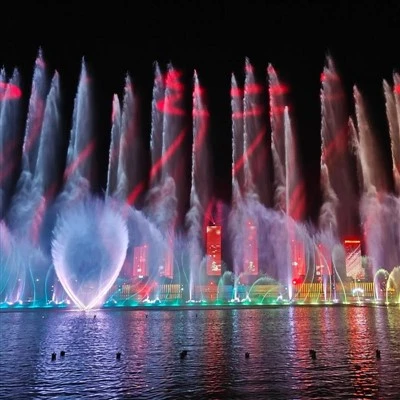
In conclusion, floating fountains are an effective and efficient way to aerate water bodies of all sizes. By increasing the oxygen content in the water, floating fountains help to promote the health and well-being of aquatic life, improve water quality, and enhance the aesthetic appeal of your outdoor space. When choosing a floating fountain for water aeration, it’s important to consider factors such as the size and depth of the water body, the type of nozzle, and the energy efficiency of the fountain.
Floating Fountain If you’re interested in learning more about our floating fountains or would like to discuss your specific water aeration needs, please don’t hesitate to contact us. We’re here to help you choose the right fountain for your application and provide you with the support and guidance you need to ensure its successful installation and operation.
References
- Boyd, C. E., & Tucker, C. S. (1998). Water quality in ponds for aquaculture. Kluwer Academic Publishers.
- Cooke, G. D., Welch, E. B., Peterson, S. A., & Nichols, S. A. (2005). Restoration and management of lakes and reservoirs (3rd ed.). CRC Press.
- Wetzel, R. G. (2001). Limnology: Lake and river ecosystems (3rd ed.). Academic Press.
Hebei Mingchuang Landscape Engineering Co., Ltd.
As one of the most professional floating fountain manufacturers in China, we have years of experience in fountain design and installation. Please feel free to buy durable floating fountain made in China here from our factory. Welcome to view our website for more information.
Address: Dongyangzhuang Village, Beidiantou Township, Tang County, Baoding City, Hebei Province
E-mail: 1094267503@qq.com
WebSite: https://www.mcfountains.com/
