Hey everyone, if you’ve been knee-deep in a flooring project lately—whether it’s a basement remodel, a garage workshop, or a whole home renovation—you’ve probably stumbled across OSB floating around in lumber yards or DIY forums. You might’ve also heard mixed takes: some swear by it, others side with solid hardwood or laminate like it’s some sketchy underdog. As an OSB board supplier, I’m here to cut through the noise and give you the straight scoop on whether OSB actually works for flooring, no sales fluff or boring textbook jargon. Let’s dive in, yeah? OSB Board
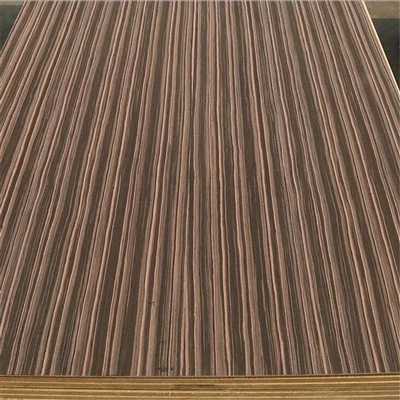
First off, let’s get the basics out the way for anyone who’s new to the party. OSB stands for Oriented Strand Board, right? Unlike plywood, which uses thin wood veneers glued crosswise, OSB’s made of long, thin wood strands arranged in crisscross layers (the long strands run along the panel’s length, the shorter ones cross that at 90 degrees) then pressed together with waterproof adhesive and super high heat. That structure is key for its strength—way more uniform than plywood in a lot of cases, which is why it’s been the go-to for roof sheathing and subfloors for decades now. But when it comes to actual finished flooring, not just the subfloor under your hardwood or tile, that’s where things get tricky. Let’s break down the good, the bad, and the “wait, is that even true?” stuff.
First, the pros—because let’s be real, if it was all garbage, no one would be using it. The big one? Cost. I don’t care if you’re a weekend warrior on a budget or a contractor looking to keep job costs low: OSB is way cheaper than solid wood, luxury vinyl tile (LVT), or engineered hardwood. A 4×8 sheet of 23/32-inch OSB (the standard thickness for subfloors) runs like $25-$35, versus $45-$60 for the same size of CDX plywood. That’s a huge difference when you’re covering a 1,500 sq ft floor—you’re talking hundreds, even thousands of bucks saved. And if you’re looking for a finished floor option, not just subfloor, OSB planks (yeah, they make it in planks now, not just panels) are even more affordable than sheet goods.
Then there’s the strength and stability. That cross-oriented strand structure I mentioned earlier? It makes OSB way less prone to warping or shrinking with changes in humidity than, say, solid wood. I’ve had customers use OSB for basement floors that get a little damp from time to time, and yeah, it’s held up way better than solid pine or MDF (don’t even get me started on MDF and moisture). Modern OSB also uses moisture-resistant adhesives now—we supply OSB with MR (moisture-resistant) ratings that meet ASTM standards, so it’s not gonna balloon up like a sponge if a spill happens (just don’t let it pool for days, obviously). Oh, and it’s way more impact-resistant than a lot of lower-cost flooring options. Drop a toolbox, or a kid’s bike, or even a heavy fridge on OSB, and it’s way less likely to dent or crack than thin LVT or laminate. That’s a big win for workshops, rental properties, or homes with messy toddlers.
Wait, another pro: it’s super easy to work with. OSB cuts just like any other wood—you can use a circular saw, a jigsaw, even a handsaw if you’re weird like me and still use that. It’s lighter than plywood too, so if you’re doing a DIY install by yourself, you don’t need two people to haul each sheet around. And since it’s usually pre-cut to standard sizes, there’s way less waste than if you’re cutting hardwood planks to fit odd corners. A lot of my customers who install OSB as a finished floor just sand the edges smooth and seal it with a poly coat, and it looks way more custom than you’d think for the price. It has that cool, rustic, industrial vibe that’s huge right now for lofts, cabins, and even modern farmhouse spaces. I’ve seen some guys stain it dark walnut or even whitewash it, and it looks like a totally high-end, intentional design choice, not just a cheap fix.
Okay, now the bad stuff—no product’s perfect, and OSB has its fair share of flaws, so I’m not gonna sugarcoat it. The big one is moisture sensitivity. Wait, earlier I said it’s moisture-resistant, not waterproof. If you spill a gallon of water and leave it sitting on OSB for 24 hours, it’s gonna swell, no question. That’s why it’s not the best choice for full bathrooms, showers, or any space that gets constant, standing water. We had a customer a couple years back who installed OSB in his master bath without a vapor barrier, and after a month of steam from showers, the edges of the planks started to warp. Lesson learned: if you’re using it in a high-moisture space, you gotta seal the heck out of it, and put a proper underlayment or vapor barrier under it. Don’t skip that step.
Then there’s the aesthetic thing. It’s not for everyone. If you want that smooth, uniform look of a solid oak floor? OSB is gonna have that textured, strand-y look, with little knots and gaps from the wood strands. Some people love that, others think it looks unfinished. If you’re going for a super sleek, modern minimalist vibe, OSB might feel too “rustic-chic” for that. Also, it’s way more susceptible to scratches than sealed hardwood. If you drag a chair across it without felt pads, you’re gonna get a noticeable scratch, way easier than on a harder wood floor. That’s why most people either seal it with a durable poly coat or use rugs in high-traffic areas.
Another con: it’s not as durable long-term in heavy traffic areas as some other options. I had a commercial customer who used OSB for a retail store floor, and after two years of constant foot traffic from customers and rolling shopping carts, the surface started to show wear, especially in the main aisle. If you’re using it in a space that’s gonna get that kind of heavy use every day, you might have to refinish it every 5-10 years, versus solid hardwood which can last 20+ years with proper care.
Wait, but here’s the thing—most of the cons are fixable, right? Let’s talk about when OSB actually is a good fit, versus when it’s not. Let’s start with the yes cases: budget projects, workshops, basements, cabins, rental properties, industrial spaces, or anyone going for that intentional industrial/rustic look. If you’re not planning to stay in the house forever, or you want a floor that’s functional but not a huge investment, OSB is perfect. I’ve also had a lot of customers use OSB as a subfloor under tile or hardwood, which is actually one of its most common uses—way more stable than particle board, and way cheaper than plywood for that.
The no cases? Full bathrooms, showers, high-traffic retail or office spaces where you expect the floor to last 15+ years, or anyone who wants a super smooth, uniform finished floor without the rustic texture. Also, if you’re dealing with a space that gets constant high humidity (like a laundry room that leaks every other week) without a way to control moisture, OSB might not hold up.
Wait, let’s clear up a common myth too: some people say OSB is just “cheap plywood.” No, it’s not. Like I said earlier, the manufacturing process is totally different. Plywood uses thin veneers, which can have gaps between layers, especially lower-grade plywood. OSB’s strands are longer, so it’s more structurally sound, less prone to delamination, and more consistent across the whole sheet. A lot of structural engineers actually prefer OSB for sheathing and subfloors because of that consistency. The only time plywood is better is if you’re going for a super smooth finished surface right out of the sheet, since plywood’s veneers are thinner and don’t have that strand texture.
Another thing people don’t talk about: sustainability. A lot of wood products use slow-growth hardwoods, but OSB is made from fast-growing softwoods like pine and spruce, which are more sustainable. And since we supply OSB from mills that use residual wood waste (like sawdust and tree trimmings) to make the strands, it’s way less wasteful than other wood flooring options. I know sustainability is a big deal for a lot of homeowners now, so that’s a solid plus.
Wait, let’s get personal here— I’ve been selling OSB for over 8 years now, and I’ve seen every project. The best install I ever saw was a guy who turned his old garage into a rental studio apartment. He used OSB planks for the floor, stained it a deep charcoal gray, added a couple big area rugs, and it looked like a super trendy urban studio. Tenants loved it, and he only spent like $800 on the whole floor, versus $3,000 for engineered hardwood. The worst one? A guy who installed OSB in his basement without sealing it, then had a sump pump fail and flood the space. The OSB swelled so bad he had to rip the whole floor out and replace it—definitely a case of not reading the fine print.
So, should you use OSB for flooring? Let’s wrap this up with a quick guide:
- Go for it if: You’re on a tight budget, want a rustic/industrial aesthetic, need a durable floor for a workshop or basement, or are using it as a subfloor under another finished material.
- Skip it if: It’s a full bathroom, high-traffic commercial space, or you want a sleek, uniform finished floor without the rustic texture.
- Pro tip: Always use moisture-resistant (MR) OSB, seal it with 2-3 coats of polyurethane (especially if it’s a finished floor), and add a vapor barrier if you’re installing it in a space with any risk of moisture. That fixes 90% of the problems people have with OSB flooring.
If you’re still on the fence, or you need help picking the right OSB for your project, don’t hesitate to reach out. Whether you’re a DIY homeowner picking up a few sheets for a basement floor, or a contractor needing bulk supplies for a whole job, we’ve got the OSB you need, at prices that won’t break the bank. Shoot us a message to get the details sorted out—we’re here to help you pick the right material, answer any questions, and make sure your project goes as smooth as possible.
HDF Door Skin References:
- APA – The Engineered Wood Association. (2022). Oriented Strand Board (OSB) Technical Guide.
- Wood Industry Research Council. (2021). Moisture Performance of Engineered Wood Flooring.
- National Association of Home Builders (NAHB). (2020). Affordable Flooring Options for Residential Remodels.
- Sustainable Building Industry Association. (2023). Environmental Impact of Engineered Wood Products vs. Solid Wood Flooring.
Lisen Wood Industrial Shouguang Co., Ltd.
Lisen Wood Industrial Shouguang Co., Ltd. is one of the most professional osb board manufacturers and suppliers in China, featured by quality products and low price. Please rest assured to buy discount osb board from our factory. Welcome to contact us for quotation and free sample.
Address: Nongsheng road, shouguang,shandong province, china
E-mail: liuzhenxi@lisenboard.com
WebSite: https://www.sglswood.com/
