In the realm of architectural aesthetics and structural enhancements, vinyl column wraps have emerged as a popular choice for homeowners and commercial property owners alike. With their versatility, durability, and range of design options, vinyl column wraps offer an attractive solution for transforming columns and enhancing the overall appearance of a building. However, as environmental concerns continue to grow, an important question arises: are vinyl column wraps eco – friendly? As a supplier of vinyl column wraps, I’m here to delve into this topic with scientific insights and provide a comprehensive answer. Vinyl Column Wraps
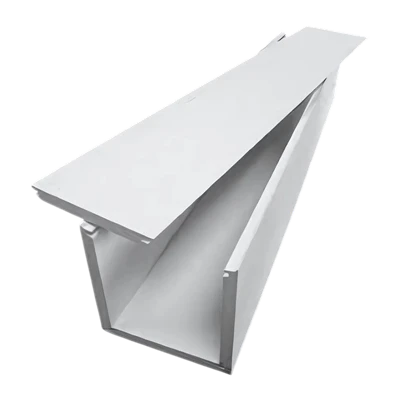
Composition and Manufacturing of Vinyl Column Wraps
Vinyl, also known as polyvinyl chloride (PVC), is a synthetic plastic polymer that has been used in a wide range of applications for decades. Vinyl column wraps are typically made by extruding PVC resin along with various additives, such as plasticizers, stabilizers, and pigments, to achieve the desired properties and appearance.
Energy Consumption in Manufacturing
The manufacturing process of vinyl involves several energy – intensive steps, including the extraction of raw materials, polymerization, and extrusion. The production of PVC requires significant amounts of fossil fuels, which contribute to greenhouse gas emissions. However, advancements in manufacturing technology have led to more energy – efficient processes over the years. Some manufacturers now use more energy – efficient machinery and have optimized production methods to reduce energy consumption.
Life Cycle Assessment
A life – cycle assessment (LCA) is a comprehensive approach to evaluating the environmental impacts of a product from raw material extraction through production, use, and end – of – life disposal. When it comes to vinyl column wraps, the LCA shows a mixed picture. On one hand, during the manufacturing phase, the environmental footprint can be relatively high due to energy use and the use of chemicals. On the other hand, the long – term use phase of vinyl column wraps can offset some of these initial impacts.
Durability and Longevity
One of the key advantages of vinyl column wraps is their durability. They are highly resistant to weathering, moisture, rot, and insects, which means they can last for many years without significant degradation. This extended lifespan is an important factor in determining their eco – friendliness.
Reducing the Need for Frequent Replacement
Compared to traditional column materials like wood, which may need to be replaced every few years due to decay or damage, vinyl column wraps can provide a long – term solution. This reduces the demand for new raw materials and the associated environmental impact of manufacturing and transporting replacement materials. For example, if a wood column needs to be replaced every 10 years, while a vinyl column wrap can last for 30 years or more, it significantly reduces the overall environmental burden over time.
Low Maintenance Requirements
Vinyl column wraps also have low maintenance requirements. They do not need to be painted, stained, or treated regularly like wood columns. This not only saves time and money but also reduces the use of chemicals and solvents associated with maintenance. For instance, paint contains volatile organic compounds (VOCs) that can be harmful to the environment and human health. By eliminating the need for regular painting, vinyl column wraps help in reducing VOC emissions.
Recyclability and End – of – Life Disposal
The issue of recyclability is crucial in determining the eco – friendliness of any product. Vinyl column wraps can be recycled, but the process is not as straightforward as with some other materials.
Recycling Challenges
PVC recycling requires specialized facilities and processes. The different additives and colors used in vinyl column wraps can complicate the recycling process, as they need to be separated and removed to produce high – quality recycled PVC. Additionally, the market for recycled PVC products is still developing, which means that there may not be a consistent demand for recycled vinyl column wraps.
Landfill Considerations
If not recycled, vinyl column wraps will end up in landfills. PVC is relatively stable in landfills and does not break down easily, which means it will not contribute to the production of methane, a potent greenhouse gas produced by decomposing organic materials. However, the long – term presence of PVC in landfills still raises concerns about waste management.
Alternatives to Vinyl Column Wraps
To understand the full scope of the eco – friendliness of vinyl column wraps, it’s important to consider the alternatives.
Wood Columns
Wood is a natural material and is often perceived as more eco – friendly. However, as mentioned earlier, wood has a shorter lifespan and requires more maintenance. Additionally, the harvesting of wood can have a significant impact on forests if not done sustainably. Deforestation can lead to soil erosion, loss of biodiversity, and disruption of ecosystems.
Fiberglass Column Wraps
Fiberglass column wraps are another alternative. They are also durable and have a relatively long lifespan. However, the manufacturing of fiberglass involves the use of energy – intensive processes and some chemicals. Fiberglass is also not as easy to recycle as some other materials.
Our Commitment to Sustainability
As a vinyl column wraps supplier, we are aware of the environmental concerns associated with our products. We are committed to taking steps to minimize the environmental impact of our vinyl column wraps.
Working with Sustainable Manufacturers
We partner with manufacturers who are committed to sustainable practices. These manufacturers are constantly researching and developing new ways to reduce energy consumption during the production process, use more environmentally friendly additives, and improve the recyclability of their products.
Educating Customers
We also play an important role in educating our customers about the environmental aspects of vinyl column wraps. We provide information on proper installation, maintenance, and end – of – life disposal options to ensure that our customers can make the most environmentally responsible choices.
Conclusion

In conclusion, the question of whether vinyl column wraps are eco – friendly is not a simple one. While they do have some environmental drawbacks, such as the energy – intensive manufacturing process and challenges in recycling, they also offer significant benefits in terms of durability, low maintenance, and reduced long – term demand for raw materials. When compared to some alternatives, vinyl column wraps can be a more environmentally friendly option in certain situations.
Anti-microbial PVC Foam Board If you are considering using vinyl column wraps for your next project, we encourage you to reach out to us. Our team of experts can provide you with detailed information about our products, their environmental impact, and how they can meet your specific needs. We are here to assist you in making an informed decision and look forward to discussing your procurement options.
References
- "Life – Cycle Assessment of Polyvinyl Chloride (PVC) Products" by the Vinyl Institute.
- "Sustainable Building Materials: A Guide" by the United States Green Building Council.
- "Environmental Impacts of Composite and Traditional Building Materials" by academic research in the Journal of Construction Engineering and Management.
Jameson Performance Plastics Co., Ltd.
With abundant experience, we are one of the most professional vinyl column wraps manufacturers in China. We warmly welcome you to wholesale customized vinyl column wraps at competitive price from our factory. If you have any enquiry about free sample, please feel free to email us.
Address: No.97 Liuquan Road, Zibo city, Shandong, China.
E-mail: info@jamesonplastics.com
WebSite: https://www.jamesonplastics.com/
