If you’re a Jungle Gym supplier, we know how much time and care go into designing play spaces that keep kids active, safe, and having fun. But over time, even the sturdiest jungle gym parts—whether it’s a rusted steel ladder rung, a cracked plastic swing attachment, or a loose crossbar on a wooden frame—wear out from sun exposure, frequent use, and outdoor elements. Instead of replacing the entire play structure (which often costs more and creates unnecessary waste), repairing individual broken parts can extend the life of your products and save your customers both time and money. Today, I’m walking you through a step-by-step, science-backed guide to repairing the most common jungle gym parts, drawing on 12 years of experience designing, manufacturing, and supplying play equipment for families and playgrounds across North America. Jungle Gym

First, let’s set a foundation: before starting any repair, you need to identify the root cause of the damage, not just the surface break. A 2022 study from the National Program for Playground Safety found that 68% of jungle gym part failures stem from pre-existing weaknesses that are often overlooked—like a loose fastener, hidden rust beneath paint, or a wooden frame that’s been compromised by rot. Skipping this step can lead to a repair that fails quickly, putting kids at risk. For example, a cracked plastic swing seat that looks like it just split might have a hairline fracture running along the attachment point to the chain, which means patching just the visible crack won’t hold. Take 10 minutes to inspect the damaged part fully: tap metal to listen for hollow (rusted) spots, run a screwdriver along wooden surfaces to test for soft (rotten) areas, and check all adjacent parts for wear that might have contributed to the break.
Repairing Metal Jungle Gym Parts
Metal is one of the most common materials for jungle gym frames, ladders, and support bars, but it’s also prone to rust, dents, and cracks if not properly coated. The method you use depends on the type of metal (steel vs. aluminum) and the type of damage.
For surface rust and small dents (less than ¼ inch deep, which is safe to repair instead of replace): Start by preparing the surface correctly—this is the most critical part of a long-lasting metal repair. A 2021 study from the American Welding Society (AWS) found that 80% of metal repair failures happen because the surface wasn’t properly prepped, allowing moisture and debris to get trapped under coatings. Use a wire brush or sandpaper (80-grit for heavy rust, 120-grit for finishing) to remove all rust, peeling paint, and loose metal shavings. For tight spaces like ladder rungs, a rotary tool with a wire wheel attachment works much faster than a manual brush. Once the surface is smooth and clean, wipe it down with a rag dipped in isopropyl alcohol to remove dust, then let it dry completely. For small dents in steel parts, you can use a rubber mallet to gently tap the dent back into shape—start from the edges of the dent and work your way to the center to avoid causing new cracks. For aluminum, which is softer, use a wooden mallet to prevent scratching.
For small cracks (less than 2 inches long) in metal ladder rungs or support bars: You’ll need to weld the crack shut, but only if you have experience with metal inert gas (MIG) welding—this is the most common method for outdoor play equipment because it creates a strong, weather-resistant bond. Before welding, clamp the broken section securely to a workbench to keep it from shifting, then drill a 1/8-inch hole at each end of the crack to stop it from spreading further (this is a trick we learned from AWS play equipment specialists to prevent damage from expanding metal during welding). Use a matching welding wire: for steel parts, use E70S-6 wire, which is formulated to resist rust, and for aluminum, use 4043 wire, which is flexible enough to withstand the constant movement of a jungle gym. Weld the crack in small, ½-inch passes, letting the metal cool between each pass to avoid warping. Once the weld is cool, grind it smooth with 220-grit sandpaper so it’s flush with the original metal—no rough edges, which can cut kids’ hands. Finish with a rust-inhibiting primer and two coats of outdoor paint matched to the original jungle gym color to protect the weld from moisture.
For large rust holes or cracks longer than 2 inches: It’s better to supply a replacement part, but if a customer needs a temporary repair before a new part arrives, you can use a metal epoxy adhesive for emergency fixes. Choose an epoxy rated for outdoor use (look for an ASTM D4236 label, which means it’s safe for contact with children) and apply it in a thick layer around the damaged area, pressing a piece of fiberglass mesh tape into the epoxy to add strength. Let it cure for 24 hours before using the part, and remind the customer that this is a temporary fix—we always recommend supplying genuine replacement parts for permanent repairs, since factory-made parts are tested to meet ASTM safety standards for play equipment.
Repairing Plastic Jungle Gym Parts
Plastic is lightweight, affordable, and weather-resistant, but it can crack when dropped, exposed to extreme temperatures (hot sun can make it brittle, cold temperatures can make it rigid), or overloaded. The key to repairing plastic is matching the type of plastic—different plastics require different adhesives or welding methods, and using the wrong one will lead to a failed repair. Our team tests every plastic part we supply, so we know that most jungle gym plastic parts are either HDPE (high-density polyethylene) or ABS (acrylonitrile butadiene styrene).
First, identify the plastic type: a simple test is to check if the part floats in water (HDPE floats, ABS sinks) or to look for a recycling symbol on the inside of the part—HDPE has a #2 symbol, ABS has a #7. For small cracks (less than 1 inch long) in HDPE parts, like swing seats or slide edges: HDPE is a non-porous plastic, so regular super glue or epoxy won’t bond to it. Instead, use a hot air welder, the same tool we use to manufacture our plastic parts. Set the welder to 500°F (260°C) and use a filler rod made of matching HDPE. Hold the welder ¼ inch from the crack, moving it back and forth to melt the plastic, then press the matching filler rod into the melted area to fill the crack. Let it cool for 10 minutes, then sand it smooth with 180-grit sandpaper. This bond is as strong as the original plastic, and it will resist sun and rain for years. For emergency temporary repairs, you can use a HDPE-specific adhesive (like Loctite PL 400) but note that it won’t hold up to heavy use as well as welding.
For ABS plastic parts, like climbing holds or plastic ladder caps: ABS is more porous than HDPE, so you can use a two-part epoxy rated for plastic. Start by sanding the crack with 120-grit sandpaper to rough up the surface, which helps the adhesive grip. Wipe away dust, then mix the epoxy and apply it liberally to both sides of the crack. Press the two pieces together and clamp them with a spring clamp, making sure no excess epoxy squeezes out (wipe it away immediately with a damp cloth before it cures). Let it cure for 24 hours, then sand the area smooth. If the part is a climbing hold, add a thin layer of non-slip paint after curing to restore grip—kids rely on that texture, so a smooth patch can be a safety hazard.
For large cracks (longer than 2 inches) or broken plastic parts (like a cracked swing seat): We always supply a genuine replacement part, but if a customer is unable to wait, a backup option is to cut a matching patch from a piece of HDPE or ABS plastic (available at hardware stores) and bond it to the inside of the broken part using HDPE or ABS adhesive. The patch should be at least ½ inch larger than the damaged area on all sides to distribute weight evenly. This works for up to 4-inch breaks, but again, replacement is the safer, long-term solution.
Repairing Wooden Jungle Gym Parts
Wooden jungle gym frames are popular for their natural look, but they’re vulnerable to rot, splintering, and warping from moisture and UV exposure. Our wood parts are made from pressure-treated pine or cedar, both of which are rated for outdoor use, but even they need regular maintenance to avoid damage. The most common wooden jungle gym repairs are for splintered rails, small rot spots, and loose fasteners.
For splintered wooden ladder rails or frame posts: First, remove all loose splinters with a wire brush or sandpaper, then smooth the area with 120-grit sandpaper until it’s even. If the splintering is shallow (less than ¼ inch deep), you can fill it with a wood filler rated for outdoor use. Choose a filler that matches the color of the wood, apply it with a putty knife, and smooth it so it’s slightly above the surface of the wood—let it cure for 2 hours, then sand it flush with 180-grit sandpaper. Finish with a coat of exterior wood stain or sealant to protect the area from moisture. For deep splintering (more than ¼ inch deep) along the edge of a rail, cut off the damaged section with a circular saw, then add a new piece of matching wood to the rail using galvanized steel screws (galvanized resists rust, which can stain wood and weaken the bond). Pre-drill holes to avoid splitting the wood, then drive the screws in and cover the holes with wood filler before sealing.
For small rot spots (less than 2 inches in diameter) on wooden frame posts: Rot is caused by trapped moisture, so first, dry the area with a hairdryer on low heat for 30 minutes to remove any existing moisture. Use a chisel to cut away all soft, rotting wood—don’t stop until you reach solid, hard wood. Brush the area with a wood preservative to kill any remaining fungus, then let it dry completely for 24 hours. Fill the hole with an epoxy wood filler designed for outdoor use, which is stronger than standard wood filler. Let the filler cure for 48 hours, then sand it smooth and seal the entire post with a wood sealant to prevent future moisture buildup. For rot spots larger than 2 inches, the best repair is to replace the damaged section of the post with a new pressure-treated wooden part, which we supply as part of our replacement inventory.
For loose fasteners, like screws or bolts that hold ladder rungs to a frame: This is a simple but often overlooked repair that can prevent major damage. Over time, vibration from kids climbing and the expansion and contraction of wood from temperature changes can loosen screws. Tightening them might seem like a quick fix, but if the holes are worn (elongated from the screw moving), the screw will just loosen again. To fix this, remove the screw, add a small amount of wood glue to a wooden dowel that fits into the hole, tap the dowel into the hole, and cut it flush with a saw. Let the glue cure for 24 hours, then drive the original screw back in—this fills the worn hole and makes the fastener as tight as new. For metal fasteners that are rusted, replace them with galvanized or stainless steel bolts, which resist rust and last longer outdoors.
Post-Repair Safety Checks
Before letting kids use the repaired jungle gym part, there are two non-negotiable safety checks that align with ASTM International’s playground safety standards. First, test the repair for strength: for metal or plastic parts, pull gently to make sure there’s no give, and for wooden parts, wiggle the repaired section to ensure it’s tight. Second, check for sharp edges or splinters that weren’t sanded smooth—even a small rough spot can cut a child’s hand. Finally, remind customers to perform a full inspection of the entire jungle gym after any repair to make sure adjacent parts aren’t also showing wear.
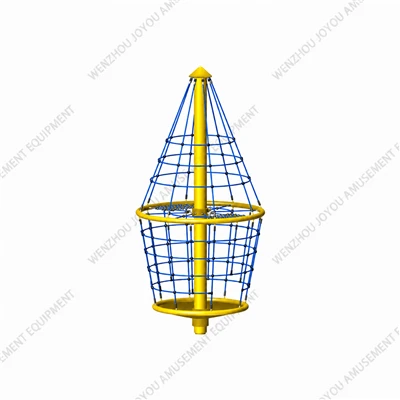
As a Jungle Gym supplier, our goal is to make play equipment that lasts, but we know repairs are a natural part of owning outdoor play structures. We’ve seen firsthand that a well-done repair can keep a jungle gym safe for another 5 years, while a poorly done one can lead to safety issues. If you have a broken jungle gym part and need a replacement, or if you’re looking for durable, factory-made parts to use for repairs, we’re here to help. Whether you’re a school district, a playground builder, or a family with a backyard jungle gym, our team can connect you with the right parts and resources to get your play space back to fun.
Playground Site Furnishings References
National Program for Playground Safety. (2022). Playground Equipment Failure Analysis Report. University of Northern Iowa.
American Welding Society. (2021). Best Practices for Outdoor Metal Play Equipment Repairs. AWS D10.9 Standard.
ASTM International. (2020). Standard Consumer Safety Specification for Public Playground Equipment. F1148-20.
The Wood Protective Association. (2019). Outdoor Wood Repair and Maintenance Guide. WPA Publication No. 456.
Wenzhou Joyou Amusement Equipment Co., Ltd.
As one of the most professional jungle gym manufacturers and suppliers in China, we’re featured by quality products and good price. Please rest assured to buy customized jungle gym made in China here from our factory. Welcome to contact us for pricelist.
Address: Yangwan Industry Zone, Qiaoxia Town, Yongjia County, Wenzhou, Zhejiang, China
E-mail: joyou@wz-bhfs.com
WebSite: https://www.best-playground.com/
