If you’ve ever spent time around industrial machinery, from CNC mills and 3D printers to packaging lines or even medical devices, you’ve probably heard the term “linear guide” thrown around a hundred times. But if you’ve dug a little deeper into the components that actually keep those machines moving smoothly, you might have stumbled on a specific part called the sealed linear guide block—and if you’re a engineer, maintenance tech, or small business owner who’s had to replace worn-out machine parts, you know there’s a world of difference between a random block you find on Amazon and one that’s actually built to last. I’ve been supplying linear guide blocks for over 12 years now, and the number one question I get when a new customer reaches out is, “What makes a sealed linear guide block different from the regular ones I already use?” So today, I’m breaking that down, no jargon, no sales fluff, just real talk from someone who’s sold these things to shops in 17 countries and fixed more than my share of machines that broke because someone used the wrong guide block. Linear Guide Blocks
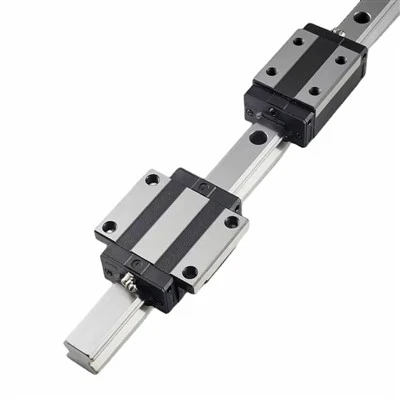
Let’s start with the basics, because you can’t understand the “sealed” part without understanding what a linear guide block does at its core. A linear guide system is basically a set of two parts: a long metal rail that’s bolted to a fixed surface (like a machine bed), and a block that slides along that rail. The block holds the load—whether that’s a 500-pound CNC cutting head, a small 3D printer extruder, or a conveyor carrying cereal boxes through a packing line—and all that movement is made easy by tiny steel or ceramic balls rolling between the rail and the block. Those balls are the magic, right? Without them, you’d be pushing a metal block along a metal rail, and friction would be so high you’d need a forklift to move it, plus you’d wear through both parts in a week.
Now, a regular linear guide block works for clean, controlled environments—like a lab with air filtration or a brand-new 3D printer that’s only ever used inside. But the second you add dirt, dust, metal shavings, coolant, or food particles into the mix? Those tiny balls and the grooves they roll in turn into a trash compactor. I once had a customer who ran a small metal stamping shop tell me he was replacing his guide blocks every three months because metal shavings from the stamping process were getting inside. He tried greasing them twice a day, but even thick grease can’t stop the tiny, sharp shavings that get drawn in by the motion of the balls. That’s where the sealed linear guide block comes in, and that’s the “seal” part that’s not just a marketing line—it’s the difference between a part that lasts a year and a part that lasts five.
Let’s get specific about what makes a sealed block sealed, because not all seals are created equal. A good sealed linear guide block has two primary seals, and sometimes a third, depending on the size and application. First, you have the end seals—these are the rubber or plastic caps that fit over the ends of the block, right where the balls loop around from one side of the rail to the other. Their job is straightforward: they form a tight barrier between the inside of the block (where the balls and grease are) and the outside world. But if you’ve ever used a cheap seal, you know they tear, or they leave tiny gaps when the block moves, so dirt gets in anyway. The best sealed blocks I supply use what’s called a “contact seal” instead of a non-contact seal. A contact seal presses lightly against the rail the entire time the block is moving, so there’s no gap at all. A non-contact seal is just a flimsy shield that sits a millimeter away, so it blocks big debris but lets fine dust, like the silica dust from woodworking, slip right through. I had a woodworking client learn that the hard way—he bought cheap non-contact sealed blocks for his CNC router, and the sawdust got past the seals, wore out the balls, and he had to replace the entire $2,000 router head six months early.
Then there are the side seals, sometimes called wipers, that run along the bottom edge of the block, right where it meets the rail. These are even more important in environments where there’s liquid, like a machine that uses coolant to cut metal or a food processing line that sprays water to clean parts. The wiper scrapes the rail as the block moves, so any liquid, grease, or food residue that’s sitting on the rail gets wiped off before it can get pulled into the block. The best wipers are made of a special synthetic rubber, like polyurethane, that’s resistant to both high temperatures and chemicals—regular rubber will break down after a few months of being exposed to coolant or food sanitizers.
Wait, but I said sometimes there’s a third seal, right? That’s the internal seal, a thin metal or plastic ring inside the block that keeps the lubrication from leaking out, even when the machine is running 24/7. Most people think “sealed” just means keeping dirt out, but it’s two-way: it keeps the good stuff (grease) in. A regular guide block only has a little bit of grease inside when it’s new, and if that grease leaks out, the balls will wear within a few hundred miles of movement. I once had a mining equipment client who was using non-sealed blocks on a conveyor that ran nonstop in a dusty mine. The grease leaked out in a month, and the conveyor stopped mid-shift, costing him $120,000 in downtime alone. When he switched to sealed blocks with internal grease retention, he only had to relube them once a year. That’s the kind of ROI that makes sealed blocks worth the extra 10 or 15% you pay upfront.
Now, let’s talk about when a sealed linear guide block is the right choice, and when it’s not—because I don’t want to sell someone a part they don’t need, that’s bad for both of us. First, when is it absolutely necessary? Any application with contamination risk: metalworking (machine shops, stamping lines), woodworking (CNC routers, saws), food and beverage processing, packaging lines, mining, construction equipment, and even outdoor equipment like solar trackers that have to withstand rain, dust, and wind. I had a customer who builds outdoor solar tracking systems that follow the sun across the sky—their original guide blocks would get clogged with Arizona dust, and the trackers would get stuck every time a wind storm hit. Since switching to sealed blocks, they’ve had zero downtime in two years, even in the middle of summer.
When is a sealed block overkill? Like I said earlier, super clean, indoor environments: a new hobby 3D printer that only runs in a clean home office, a lab instrument that’s kept in a temperature-controlled room, or a precision machine that’s never exposed to dust or liquid. A regular block will last just as long there, and it’s cheaper. I always ask new customers to send me photos of their environment and tell me how often their machine runs before I recommend a sealed or unsealed block—no one needs to pay for a feature they’ll never use.
Another common myth about sealed linear guide blocks is that they’re less precise than unsealed ones. That’s totally false, and it’s something I’ve had to correct hundreds of times. The seals on a good sealed block are made of a material that’s hard enough to not flex or deform, so they don’t add any extra friction or throw off the alignment of the block. In fact, some high-precision sealed blocks are actually made for applications like medical equipment, where even a tiny millimeter of movement can ruin a surgery or a lab test. I supply a lot of blocks for surgical robots, and the surgeons tell me the sealed blocks have the same precision as the regular ones, plus they don’t get gunked up when the robot is used in an operating room that’s being sterilized. The only time a seal can affect precision is if you buy a cheap, low-quality seal that’s made of flimsy material. That’s why I only source sealed blocks from manufacturers that test every seal for durability—we put every batch through 1,000 miles of movement in a dusty environment to make sure the seals don’t tear or wear out.
Let’s also talk about maintenance, because that’s a big part of why people choose sealed blocks. Some customers think “sealed” means “maintenance-free,” which isn’t exactly true, but it’s way less maintenance than unsealed blocks. An unsealed block needs to be cleaned and relubricated every one to three months, depending on the environment. A sealed block only needs to be relubricated once every six to 12 months, and even then, it’s just a quick top-up, not taking the entire block apart to clean out all the gunk. I had a customer who runs a 24/7 packaging line for snack bars—they used to have to shut down the line for 4 hours every month to clean and relube their unsealed blocks. Now, with sealed blocks, they only shut down for 1 hour once a year for maintenance. That’s 44 extra hours of production a year, which translates to over $200,000 in extra revenue for their business. That’s the kind of number that makes the cost difference between sealed and unsealed blocks vanish in no time.
Now, let’s get into the nitty-gritty of how sealed blocks are made, just so you know you’re getting a quality part. A good sealed linear guide block starts with a high-grade metal block, usually made of hardened steel, that’s precision-machined to within a few microns (that’s way smaller than a grain of sand). Then the raceways—those grooves where the balls roll—are ground and polished to a mirror finish, so the balls roll smoothly without wearing down. Then the seals are pressed into the ends and sides of the block using a hydraulic press, not just glued on, because glue can come loose under heavy load. Finally, the block is loaded with steel or ceramic balls, and then filled with high-quality grease that’s formulated to last for years, even under heavy use.
Wait, ceramic balls! That’s another thing to consider when you’re looking at sealed blocks. Ceramic balls are harder and more resistant to wear than steel balls, and they don’t rust, which is a huge plus in environments with moisture, like food processing or outdoor equipment. I supply both steel and ceramic ball sealed blocks, and I always recommend ceramic for any application where rust is a risk. For example, a seafood processing plant that uses guide blocks to move crates of fish—moisture and salt would rust steel balls in a month, but ceramic balls last for years.
Now, I want to be honest with you, because there are a lot of bad sealed linear guide blocks out there that are sold at low prices, and they’re not worth your money. The cheapest blocks you find online often have thin, flimsy seals that tear after a few months, balls that are low-quality steel that wear down fast, and blocks that are machined unevenly, so they wobble. Last year, a customer sent me photos of a cheap sealed block he bought for his metal stamping machine, and the seal was so thin it was just a piece of plastic. After three months, it tore, metal shavings got inside, and the block locked up, damaging the rail too. He ended up having to replace both the block and the rail, which cost him twice as much as if he’d bought a quality sealed block from the start.
So, what should you look for when you’re shopping for a sealed linear guide block? First, check the seal material: polyurethane for contact seals, not cheap plastic. Second, ask about the grease inside—look for blocks that come with factory-lubricated grease that’s rated for your operating temperature. Third, check the ball material: ceramic if you have moisture or contamination risk, steel for dry environments. Fourth, make sure the block is precision-machined, not a cheap knockoff. If you’re not sure, just reach out to someone who supplies these parts regularly, like me, and tell them about your application. I’ve helped hundreds of customers pick the right block, and I won’t sell you something you don’t need.
At the end of the day, a sealed linear guide block isn’t just another part on your machine—it’s a way to reduce downtime, save money on maintenance, and extend the life of your entire machine. I’ve been in this business long enough to know that the little components are the ones that make or break a production line. You can have the fanciest CNC machine or the fastest packaging line, but if your guide blocks are wearing out every three months, you’re not making money, you’re just replacing parts.
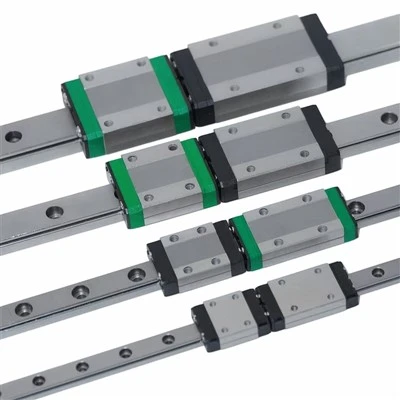
If you’re tired of replacing worn-out guide blocks, or if you’re planning a new machine build and want to avoid future downtime, I’d be happy to talk through your needs with you. I can send you samples, answer any questions you have, and help you find the right sealed linear guide block for your application. Just reach out to discuss your requirements.
Linear Motion Components References
- Linear Motion Components Association. (2021). Sealed Linear Guide Systems: Design and Application Standards. LMCA Publications.
- International Organization for Standardization. (2019). ISO 12090: Rolling Bearings – Linear Motion Rolling Bearings – Boundary Dimensions and Tolerances. ISO Standards.
- American Gear Manufacturers Association. (2020). Lubrication Best Practices for Linear Motion Systems. AGMA Technical Paper.
- Machine Tool Builders Association. (2022). Guide Component Selection for Industrial Machinery. MTBA Industry Report.
- National Institute of Standards and Technology. (2021). Wear Resistance of Sealed Linear Guide Blocks in Contaminated Environments. NIST Technical Note.
Zhejiang Jiarun Hardware Co., Ltd.
As one of the most experienced linear guide blocks manufacturers and suppliers in China, also support customized service. Please feel free to wholesale high quality linear guide blocks made in China here from our factory. Welcome to contact us for quotation.
Address: Guolu Village, Shifan Subdistrict, Yueqing City, Wenzhou City, Zhejiang Province
E-mail: 18066359699@163.com
WebSite: https://www.steeltk.com/
