In the dynamic landscape of modern manufacturing, quality control stands as a cornerstone for ensuring the reliability, performance, and safety of products. As an industrial model supplier, I’ve witnessed firsthand how these models play a pivotal role in enhancing quality control processes across various industries. In this blog, I’ll delve into the ways industrial models assist in quality control, sharing insights from my experience in the field. Industrial Model
Visualization and Design Validation
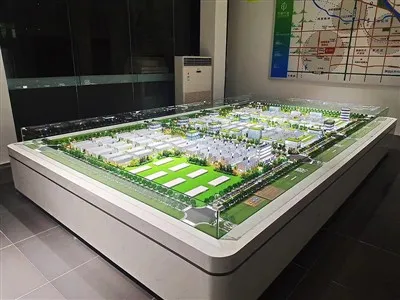
One of the primary ways industrial models assist in quality control is through visualization and design validation. Before a product goes into full – scale production, it’s crucial to have a clear understanding of its design and functionality. Industrial models provide a tangible representation of the product, allowing engineers, designers, and quality control teams to visualize the design in three – dimensional space.
For example, in the automotive industry, a physical model of a new car design can be created. This model enables designers to assess the aesthetics of the vehicle, such as the shape of the body, the placement of windows, and the overall proportions. Quality control engineers can also use the model to check for potential manufacturing issues, such as gaps between body panels or interference between components. By identifying these issues early in the design phase, companies can make necessary adjustments, reducing the risk of costly rework during production.
In the aerospace industry, industrial models are used to validate the design of aircraft components. A scale model of an aircraft wing, for instance, can be tested in a wind tunnel to evaluate its aerodynamic performance. Quality control teams can measure parameters such as lift, drag, and stability, and compare the results with the design specifications. Any discrepancies can be addressed before the actual wing is manufactured, ensuring that the final product meets the highest quality standards.
Prototyping and Testing
Industrial models serve as prototypes for testing and evaluation. Prototyping is an essential step in the quality control process, as it allows companies to test the functionality and performance of a product before mass production.
In the consumer electronics industry, a prototype of a new smartphone can be built using an industrial model. This prototype can be used to test features such as the touch screen sensitivity, battery life, and camera performance. Quality control engineers can run a series of tests on the prototype, simulating real – world usage scenarios. By analyzing the test results, they can identify any potential flaws or weaknesses in the design and make improvements.
In the medical device industry, industrial models are used to create prototypes of surgical instruments and implants. These prototypes can be tested for biocompatibility, mechanical strength, and functionality. For example, a prototype of a hip implant can be tested in a laboratory setting to simulate the forces it will experience in the human body. Quality control teams can ensure that the implant meets the necessary safety and performance standards before it is approved for use in patients.
Process Optimization
Industrial models can also assist in quality control by optimizing the manufacturing process. By creating a model of the production line, companies can identify bottlenecks, inefficiencies, and potential sources of quality issues.
In the food and beverage industry, an industrial model of a production line can be used to analyze the flow of ingredients and products. Quality control teams can use the model to determine the optimal placement of equipment, such as mixers, conveyors, and packaging machines. By optimizing the layout of the production line, companies can reduce the risk of contamination, improve product consistency, and increase overall efficiency.
In the metalworking industry, an industrial model of a machining process can be created. This model can be used to simulate the cutting forces, tool wear, and surface finish of the machined parts. Quality control engineers can use the model to optimize the machining parameters, such as cutting speed, feed rate, and depth of cut. By fine – tuning these parameters, companies can improve the quality of the machined parts and reduce the scrap rate.
Training and Education
Industrial models are valuable tools for training and education in quality control. They provide a hands – on learning experience for employees, allowing them to understand the product design, manufacturing process, and quality control standards.
In the manufacturing industry, new employees can be trained using industrial models. For example, a new operator on a production line can learn how to assemble a product by using a physical model. This hands – on training helps the operator understand the correct assembly sequence, the importance of precision, and the quality control requirements.
In the quality control department, industrial models can be used for training purposes. Quality control inspectors can practice using measurement tools and techniques on the models, learning how to detect defects and ensure that the products meet the specifications. By providing practical training with industrial models, companies can improve the skills and knowledge of their employees, leading to better quality control.
Supplier and Customer Communication
Industrial models facilitate communication between suppliers and customers, which is essential for quality control. Suppliers can use industrial models to showcase their products to customers, providing a clear understanding of the design, features, and quality.
For example, as an industrial model supplier, I often work with clients in the furniture industry. I create detailed models of furniture pieces, including the materials, finishes, and dimensions. These models allow the clients to visualize the final product and provide feedback on the design. By incorporating the client’s feedback early in the process, we can ensure that the final product meets their expectations in terms of quality and aesthetics.
On the other hand, customers can use industrial models to communicate their requirements to suppliers. A customer who needs a custom – made product can provide a model or a detailed description of the product they want. This clear communication helps the supplier understand the customer’s needs and produce a high – quality product that meets the specifications.
Conclusion

In conclusion, industrial models play a crucial role in quality control across various industries. They assist in visualization and design validation, prototyping and testing, process optimization, training and education, and supplier – customer communication. As an industrial model supplier, I’m committed to providing high – quality models that help my clients improve their quality control processes and produce better products.
Scale Model If you’re interested in learning more about how industrial models can assist in your quality control efforts, or if you’re looking for a reliable industrial model supplier, I’d be more than happy to discuss your needs. Reach out to me to start a conversation about how we can work together to enhance your product quality.
References
- Smith, J. (2018). "The Role of Prototyping in Quality Control". Journal of Manufacturing Technology.
- Johnson, A. (2019). "Optimizing Manufacturing Processes with Industrial Models". Industrial Engineering Review.
- Brown, C. (2020). "Visualization and Design Validation in the Automotive Industry". Automotive Design Journal.
Guangzhou Zonco Culture and Media Co., Ltd.
Guangzhou Zonco Culture and Media Co., Ltd. is one of the most reliable industrial model manufacturers and suppliers in China, also supports customized service with low price. We warmly welcome you to wholesale cheap industrial model from our factory. For quotation, contact us now.
Address: Room C371, 402, Building 6, No.3 Xintang Street, Tianhe District, Guangzhou
E-mail: 13123180052@163.com
WebSite: https://www.scalemodellab.com/
