Storing a Peripheral Drive Thickener when not in use is a crucial aspect that often gets overlooked by many operators. As a supplier of Peripheral Drive Thickeners, I understand the importance of proper storage to ensure the longevity and optimal performance of these valuable pieces of equipment. In this blog, I will share some essential insights and best practices on how to store a Peripheral Drive Thickener effectively. Peripheral Drive Thickener

Understanding the Peripheral Drive Thickener
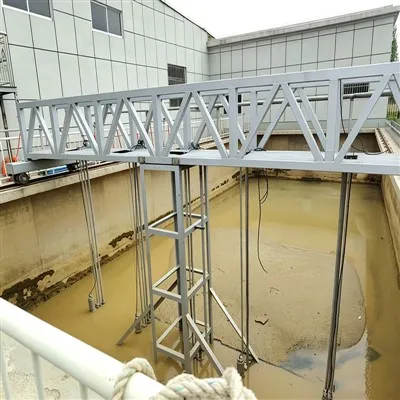
Before delving into the storage process, it’s important to have a basic understanding of what a Peripheral Drive Thickener is and how it functions. A Peripheral Drive Thickener is a large, circular tank used in various industries, such as mining, wastewater treatment, and chemical processing, to separate solids from liquids. It consists of a rotating mechanism that moves a series of rake arms around the tank, which helps to consolidate the settled solids at the bottom of the tank for easy removal.
Pre – Storage Inspection and Maintenance
The first step in storing a Peripheral Drive Thickener is to conduct a thorough inspection and perform any necessary maintenance. This will help to identify and address any potential issues before they become major problems during storage.
- Clean the Thickener: Start by thoroughly cleaning the thickener tank, rake arms, and other components. Remove any accumulated solids, sludge, or debris from the tank using high – pressure water jets or other appropriate cleaning methods. This will prevent the growth of bacteria and corrosion during storage.
- Check for Damage: Inspect all components of the thickener, including the drive mechanism, rake arms, bearings, and seals, for any signs of damage or wear. Look for cracks, leaks, or loose parts. Replace any damaged components immediately to ensure the thickener is in good working condition.
- Lubricate Moving Parts: Apply a suitable lubricant to all moving parts, such as bearings, gears, and shafts. This will prevent rust and corrosion and ensure smooth operation when the thickener is put back into use. Make sure to follow the manufacturer’s recommendations for the type and amount of lubricant to use.
- Test Electrical Systems: If the thickener is equipped with electrical components, such as motors and control systems, test them to ensure they are functioning properly. Check for loose connections, damaged wiring, or faulty switches. Repair or replace any defective electrical components as needed.
Drain and Flush the System
After the inspection and maintenance are complete, it’s important to drain and flush the thickener system to remove any remaining water or chemicals.
- Drain the Tank: Open all drain valves and allow the water and sludge to drain completely from the thickener tank. Make sure to collect and dispose of the drained material in accordance with local environmental regulations.
- Flush the Piping: Use clean water to flush the piping system connected to the thickener. This will remove any remaining solids or chemicals that may have accumulated in the pipes. Flush the pipes until the water runs clear.
Protective Measures for Components
To protect the components of the Peripheral Drive Thickener during storage, several protective measures can be taken.
- Coat Metal Surfaces: Apply a rust – preventive coating to all exposed metal surfaces, such as the tank, rake arms, and drive mechanism. This will create a barrier between the metal and the environment, preventing rust and corrosion. Choose a coating that is suitable for the type of metal and the storage environment.
- Cover the Thickener: Use a heavy – duty tarp or cover to protect the thickener from dust, dirt, and moisture. Make sure the cover is securely fastened to prevent it from being blown off by the wind. If possible, store the thickener in a covered area, such as a warehouse or shed.
- Protect Electrical Components: Cover electrical components, such as motors and control panels, with protective covers or enclosures. This will prevent moisture and dust from entering the components and causing damage.
Storage Location
The storage location plays a crucial role in the preservation of the Peripheral Drive Thickener.
- Choose a Dry Location: Select a storage location that is dry and well – ventilated. Avoid storing the thickener in areas prone to flooding or high humidity, as this can cause rust and corrosion. If the storage area is damp, consider using a dehumidifier to reduce the moisture level.
- Avoid Extreme Temperatures: Store the thickener in an area where the temperature remains relatively stable and within the recommended range for the equipment. Extreme temperatures, either hot or cold, can cause damage to the components, such as warping of metal parts or cracking of seals.
- Level Surface: Ensure that the storage surface is level. Placing the thickener on an uneven surface can cause stress on the tank and components, potentially leading to damage.
Periodic Checks during Storage
Even during storage, it’s important to conduct periodic checks on the thickener to ensure its condition remains stable.
- Visual Inspections: Every few months, perform a visual inspection of the thickener. Check for any signs of damage, such as rust, corrosion, or loosening of parts. Also, inspect the cover for any tears or damage.
- Lubrication Checks: Check the lubrication levels of the moving parts periodically. If the lubricant has dried up or become contaminated, re – apply the appropriate lubricant.
Recommissioning the Thickener
When it’s time to put the Peripheral Drive Thickener back into use, a proper recommissioning process should be followed.
- Inspect Again: Before starting the thickener, conduct a final inspection to ensure that all components are in good condition. Check the lubrication, electrical systems, and mechanical parts again.
- Fluid Filling: Fill the thickener tank with the appropriate fluid and check for leaks in the piping and tank.
- Test Runs: Start the thickener and perform a series of test runs to ensure that it is functioning properly. Monitor the performance of the drive mechanism, rake arms, and other components during the test runs.
Side-entry Agitator As a supplier of Peripheral Drive Thickeners, we are committed to providing our customers with not only high – quality equipment but also valuable advice on how to take care of it. Proper storage of your Peripheral Drive Thickener is essential to maintain its performance and extend its service life. If you have any questions or if you are considering purchasing a Peripheral Drive Thickener for your operation, we invite you to contact us for more information and to discuss your specific requirements. Our team of experts is always ready to assist you in finding the best solution for your business.
References
- Perry, R. H., & Green, D. W. (2008). Perry’s Chemical Engineers’ Handbook. McGraw – Hill.
- Tchobanoglous, G., Burton, F. L., & Stensel, H. D. (2003). Wastewater Engineering: Treatment and Reuse. McGraw – Hill.
Shandong Ningye Machinery Equipment Co., Ltd.
Shandong Ningye Machinery Equipment Co., Ltd. is one of the most reliable peripheral drive thickener manufacturers and suppliers in China. With abundant experience, we warmly welcome you to buy discount peripheral drive thickener made in China here from our factory. Quality products and low price are available.
Address: Workshop No. 16, Dongcao Village Industrial Park, Guangda East Road, Songguantun Subdistrict, Economic and Technical Development Zone, Dezhou City, Shandong Province
E-mail: ningyejixie@163.com
WebSite: https://www.cn-ningye.com/
