Hey there! I’m a supplier of FGD pumps, and today I wanna chat about something super important in the world of these pumps: the Net Positive Suction Head Required (NPSHr). Now, I know this might sound like a mouthful, but trust me, it’s crucial to understand if you’re in the market for an FGD pump or just curious about how they work. FGD Pump

So, what exactly is NPSHr? Well, let me break it down in a way that’s easy to grasp. When we talk about FGD pumps, they’re used in Flue Gas Desulfurization systems. These systems are all about removing sulfur dioxide from flue gases produced by power plants and other industrial processes. It’s a big deal for environmental reasons, as sulfur dioxide is a major pollutant.
Now, an FGD pump needs to suck in liquid, usually a slurry that contains water and some kind of absorbent material, like limestone, to react with the sulfur dioxide. But here’s the thing: the pump can’t just suck in any old liquid easily. The liquid needs to have enough pressure at the pump’s inlet to prevent something called cavitation.
Cavitation is like the arch – enemy of pumps. It happens when the pressure of the liquid at the pump’s inlet drops below the vapor pressure of the liquid. When that occurs, tiny vapor bubbles form in the liquid. As these bubbles move into higher – pressure areas of the pump, they collapse suddenly. This collapse creates shock waves that can damage the pump’s impeller, casing, and other components over time. It can also reduce the pump’s efficiency and cause it to make a lot of noise.
That’s where NPSHr comes in. The Net Positive Suction Head Required is the minimum amount of pressure that the liquid must have at the pump’s inlet to keep cavitation from happening. It’s kind of like a safety margin. You need to make sure that the actual pressure available at the pump’s inlet, which is called the Net Positive Suction Head Available (NPSHa), is greater than the NPSHr.
How do we determine the NPSHr of an FGD pump? Well, pump manufacturers like us do a bunch of tests. We run the pump in a test facility and measure how it performs under different suction conditions. We gradually reduce the suction pressure until we start to see signs of cavitation, like a drop in the pump’s performance or an increase in noise. The pressure at which these signs start to appear is used to calculate the NPSHr.
There are a few factors that can affect the NPSHr of an FGD pump. One of the main ones is the pump’s design. Different pump designs have different NPSHr requirements. For example, a pump with a larger impeller diameter might have a higher NPSHr because it needs more energy to move the liquid.
The speed of the pump also matters. A faster – running pump generally has a higher NPSHr. That’s because the faster the impeller spins, the more force it needs to draw in the liquid, and thus, the higher the required suction pressure.
The properties of the liquid being pumped are also crucial. If the liquid is more viscous, like a thick slurry, it’ll need a higher NPSHr because it’s harder for the pump to draw it in. Temperature can also play a role. As the temperature of the liquid increases, its vapor pressure increases too. This means that at higher temperatures, the pump will need a higher NPSHr to prevent cavitation.
As a supplier of FGD pumps, we always make sure to provide our customers with accurate NPSHr data for our pumps. This helps them to design their FGD systems properly. They need to calculate the NPSHa in their specific application and make sure it’s greater than our pump’s NPSHr.
If the NPSHa is too close to or less than the NPSHr, there’s a high risk of cavitation. And that’s not something you want. It can lead to costly repairs, downtime for your FGD system, and reduced efficiency. So, when you’re choosing an FGD pump from us, we’ll work with you to understand your system’s requirements and make sure you get a pump with the right NPSHr for your application.
We’ve got a range of FGD pumps with different NPSHr values. Whether you have a small – scale industrial process or a large – scale power plant, we can find the right pump for you. We also offer technical support to help you with the installation and operation of your pump.
Our team of experts can assist you in calculating the NPSHa in your system. We’ll take into account factors like the elevation of the liquid source, the friction losses in the suction piping, and the properties of the liquid. Once we have that information, we can make sure you choose a pump that works smoothly without any cavitation issues.
If you’re thinking about upgrading or buying a new FGD pump, don’t overlook the importance of NPSHr. It’s a key factor that can make or break the performance and longevity of your pump.
So, if you’re in the market for an FGD pump, whether you’re a power plant operator, an industrial engineer, or part of an environmental protection company, we’d love to talk to you. We’re here to provide you with the best FGD pumps and the support you need to keep your Flue Gas Desulfurization system running efficiently.
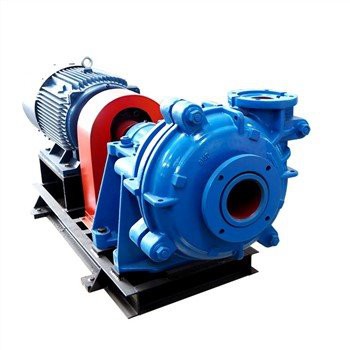
Reach out to us to start the conversation about your FGD pump needs. Let’s work together to find the perfect pump with the right NPSHr for your specific application. We’re confident that we can offer you a solution that meets your requirements and budget.
Slurry Pump References:
- Hydraulic Institute Standards for Pump Testing and Performance
- Chemical Engineering Handbook for pump design and operation guidelines
- Technical literature from major FGD system component suppliers on pump selection criteria
Hebei Tongda Pump Co., Ltd.
Hebei Tongda Pump Co., Ltd. is well-known as one of the leading fgd pump manufacturers and suppliers in China. Our factory offers high quality fgd pump made in China with competitive price. Welcome to contact us for pricelist.
Address: No.158, Bo Ming Xi Lu, Boye County, Baoding City, Hebei Province
E-mail: wendy@hbtdby.com
WebSite: https://www.waterpumpmanufacturer.com/
