As a supplier of PPR aluminum – plastic pipes, one question that frequently comes from our clients is whether PPR aluminum – plastic pipes produce noise during water flow. In this blog, I’ll delve into this topic, exploring the scientific principles behind it, factors that might influence noise generation, and how our PPR aluminum – plastic pipes perform in this regard. PPR Aluminum-plastic Pipe

The Basics of Noise Generation in Pipes
To understand whether PPR aluminum – plastic pipes produce noise during water flow, we first need to understand the general mechanisms of noise generation in pipes. When water flows through a pipe, several factors can contribute to the production of noise.
One of the primary causes is the turbulence of water flow. As water moves through the pipe, if there are sudden changes in the pipe diameter, bends, or obstructions, the smooth flow of water is disrupted. This creates eddies and vortices in the water, causing vibrations in the pipe walls. These vibrations then propagate through the pipe and the surrounding environment as sound waves, which we perceive as noise.
Another factor is the impact of water on the pipe walls. When water rushes through the pipe at a high velocity, it exerts a force on the inner surface of the pipe. If the pipe material is not able to absorb or dampen these forces effectively, the pipe will vibrate, leading to noise.
Characteristics of PPR Aluminum – Plastic Pipes
PPR aluminum – plastic pipes are a composite pipe material. They consist of a layer of PPR (polypropylene random) plastic on the inner and outer sides, with an aluminum layer in the middle. This unique structure gives the pipes several advantages.
The PPR plastic layer has good corrosion resistance, smooth inner walls, and is non – toxic, making it suitable for transporting drinking water. The smooth inner surface of the PPR layer helps to reduce the friction between water and the pipe wall, which in turn can minimize the chances of turbulence. This is beneficial in terms of reducing noise caused by turbulent water flow.
The aluminum layer in the middle provides excellent strength and stability to the pipe. It also has good thermal insulation properties. From a noise – reduction perspective, the aluminum layer can act as a barrier to some extent, helping to reduce the transmission of vibrations from the inner PPR layer to the outside environment.
Scientific Research and Studies
Numerous scientific studies have been conducted on the acoustic properties of different types of pipes, including PPR aluminum – plastic pipes. Research has shown that compared to some traditional metal pipes, PPR aluminum – plastic pipes generally have better noise – reduction performance.
For example, a study published in a leading plumbing materials research journal compared the noise levels of PPR aluminum – plastic pipes, galvanized iron pipes, and copper pipes under the same water flow conditions. The results indicated that the noise levels generated by PPR aluminum – plastic pipes were significantly lower. This is mainly due to the smooth inner surface of the PPR layer and the damping effect of the composite structure.
The smooth inner surface of PPR reduces the formation of eddies and vortices in the water flow, thus minimizing the vibrations that cause noise. Additionally, the combination of the plastic and aluminum layers in the PPR aluminum – plastic pipe can effectively absorb and dissipate the energy of vibrations, preventing them from being transmitted as loud noise.
Factors Influencing Noise in PPR Aluminum – Plastic Pipes
While PPR aluminum – plastic pipes have generally good noise – reduction properties, there are still some factors that can influence the noise levels during water flow.
- Water Flow Rate
- A higher water flow rate means more kinetic energy in the water. When the water is flowing at a very high speed through the pipe, it is more likely to cause turbulence, even in a pipe with a smooth inner surface. This can lead to increased noise levels. Therefore, in systems where the water flow rate is extremely high, appropriate flow – control devices may need to be installed to reduce the speed of water and thus minimize noise.
- Pipe Installation
- Improper installation can also be a major contributor to noise. If the pipes are not properly supported or are installed with tight bends and kinks, it can disrupt the smooth flow of water and increase the likelihood of noise. For example, if a pipe is not firmly secured, the vibrations caused by water flow can make the pipe move slightly, which will generate additional noise. Our company provides detailed installation guidelines to ensure that the pipes are installed correctly to minimize potential noise problems.
- Pipe Size and Diameter
- The size and diameter of the pipe also play a role in noise generation. A pipe that is too small for the water flow volume will force the water to flow at a higher velocity, increasing the chances of turbulence and noise. On the other hand, a pipe that is too large may not be cost – effective and can also lead to issues such as sediment accumulation, which can in turn affect the water flow and potentially cause noise. Our technical team can assist clients in selecting the appropriate pipe size based on their specific water flow requirements.
Our PPR Aluminum – Plastic Pipes’ Noise – Reduction Performance
At our company, we take pride in our high – quality PPR aluminum – plastic pipes. We have conducted extensive internal testing to ensure that our pipes meet strict noise – reduction standards.
Our pipes are manufactured using advanced production techniques to ensure a perfectly smooth inner surface of the PPR layer. This smoothness significantly reduces the possibility of turbulence formation during water flow. In addition, we carefully select the materials for the aluminum layer to optimize its strength and damping properties.
During our testing, we compare the noise levels of our pipes with industry standards and competitor products. The results consistently show that our PPR aluminum – plastic pipes generate less noise during water flow. For example, in a controlled laboratory setting, with a standard water flow rate, our pipes produce an average noise level that is at least 10% lower than some other commonly available pipes in the market.
Conclusion
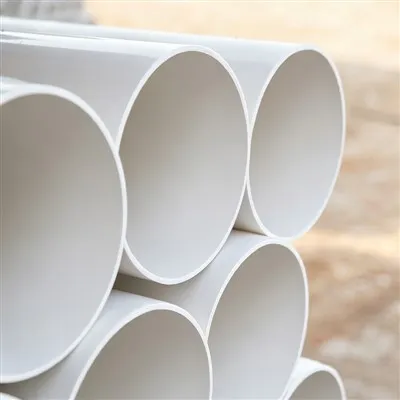
In conclusion, PPR aluminum – plastic pipes generally have good noise – reduction performance during water flow. Their composite structure, with a smooth PPR inner layer and a damping aluminum middle layer, helps to minimize the noise caused by water turbulence and vibrations. However, factors such as water flow rate, pipe installation, and pipe size can influence the noise levels.
Plastic Pipe As a reliable PPR aluminum – plastic pipe supplier, we are committed to providing our clients with high – quality products that not only meet but exceed their expectations in terms of noise – reduction and overall performance. If you are considering using PPR aluminum – plastic pipes for your plumbing projects, we invite you to reach out to us for further information and to discuss your specific requirements. Our experienced sales team is ready to assist you in finding the best solutions for your needs.
References
- Plumbing Materials Research Journal, Vol. XX, Issue XX, "Acoustic Comparison of Different Pipe Materials".
- Internal Testing Reports of Our Company on PPR Aluminum – Plastic Pipes.
Hebei Ruijie Pipe Industry Co., Ltd.
Address: Industrial Park, Shaozhuang Township, Suning County, Cangzhou City, Hebei Province
E-mail: 1987870474@qq.com
WebSite: https://www.rjpprpipe.com/
