If you’ve ever worked with hydraulic systems, you know air in quick couplings is more than just an inconvenience—it’s a quiet killer of efficiency, equipment life, and even operator safety. As a hydraulic quick couplings supplier, I’ve spent thousands of hours troubleshooting field issues with clients, and the most common headache they bring me is inconsistent performance blamed on “something wrong with the hydraulic fluid.” Nine times out of ten, that “something” is air sneaking into their system through poorly seated, damaged, or improperly used quick couplings. Hydraulic Quick Couplings
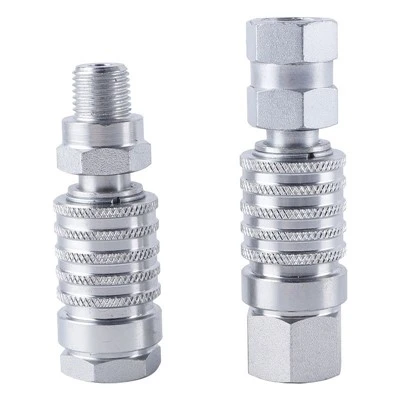
Let’s cut through the jargon: air in a hydraulic system compresses under pressure, so when your cylinder is supposed to extend forcefully, it “gives” instead, leading to slow operation, spongy controls, and even cavitation that erodes pump components over time. The good news? Preventing air from entering your couplings isn’t rocket science—it’s about pairing the right practices with well-made, correctly maintained hardware.
Start with Coupling Selection: Size and Design Matter More Than You Think
I see clients skimp on coupling design all the time, and it almost always comes back to air ingestion. Not all quick couplings are created equal, and picking the wrong one for your application is the first mistake. For example, if you’re using couplings for high-pressure industrial equipment, you need a type with a tight, zero-leak shutoff valve on both ends. That’s non-negotiable. Dry-break couplings, which are engineered to retain almost no fluid when disconnected, are ideal for mobile machinery or environments where contaminants are a risk, but make sure their poppet valve seals are rated for your operating pressure.
Size is equally critical. A coupling that’s too small for your system’s flow rate will create a pressure drop that pulls air into the connection—think of trying to force water through a garden hose that’s half the size; the suction will draw air into the line. I always tell clients to match the coupling’s inner diameter (ID) to their hose or pipe ID. A 1-inch coupling, for example, should connect to 1-inch ID hose, not a smaller one, to eliminate that suction force that lets air slip in.
Disconnection and Reconnection: The “No-Fumble” Rule for Coupling Maintenance
Improper connection is the second biggest cause of air leaks. I’ve watched operators yank on couplings, push them in at an angle, or skip the locking step—all guaranteed to leave a gap between the coupling and the nipple. The process should be intentional every time: first, align the coupling half (you can’t just force it in), then push it firmly until you hear that distinct “click” that the locking collar has engaged. Then give it a light tug to confirm it’s seated—no exceptions.
When disconnecting, it’s just as important to bleed residual pressure first. I can’t count how many times someone disconnected a coupling mid-cycle, leaving trapped pressure that blew fluid out and pulled air into the open coupling port. Always relieve line pressure before disconnecting any quick coupling. For systems with residual pressure, use a pressure relief valve, or slowly loosen the fitting a quarter-turn to bleed off excess pressure before pulling the coupling apart.
Seal maintenance is another part of this. The o-rings or face seals in your couplings are the first line of defense against air, and they degrade over time from exposure to heat, harsh fluids, or dirt. Inspect these seals every time you service your system: look for cracks, tears, or signs of swelling (which means they’re incompatible with your hydraulic fluid). Replace worn seals immediately—even a tiny 1mm tear is enough to let a steady stream of air into the line. Pro tip: keep spare seals on hand, especially for your most frequently used couplings, because waiting for a replacement mid-job is a costly delay.
Contamination Control: Dirt Is an Air Leak’s Best Friend
Dirt and debris are silent saboteurs here. If even a speck of dirt gets on the coupling’s sealing face, it creates a tiny gap that air can seep through, even when the coupling looks “connected correctly.” I recommend a simple habit: before disconnecting a coupling, wipe both halves with a lint-free cloth or compressed air (set at low pressure, so you don’t blow debris into the port). For outdoor or dirty job sites, use a protective cap on the open coupling port as soon as you disconnect it—this keeps out dirt, water, and other contaminants that will damage seals and cause leaks.
Also, don’t forget your hydraulic fluid. Fluid that’s contaminated with water or metal shavings will break down seals over time, leading to leaks. Change your fluid according to the manufacturer’s schedule, and keep a filter in line to catch debris before it reaches the couplings. A clean system means tighter seals, fewer air leaks, and longer life for your equipment.
Common Mistakes Even Seasoned Pros Make (And How to Fix Them)
I’ve seen so-called “veteran” operators cut corners that cost them thousands in repairs. One of the most common is mixing coupling brands. If you use a nipple from one manufacturer and a coupling half from another, their tolerances won’t line up perfectly, creating a tiny gap that lets air in. Stick to the same brand for both halves of the coupling—they’re engineered to fit together precisely. If you need to cross-reference for a replacement, make sure the new parts match the original’s size, pressure rating, and seal type.
Another mistake: using couplings beyond their pressure rating. A coupling rated for 3,000 PSI can’t handle 5,000 PSI, and the internal components will flex, creating leaks. Always check the coupling’s pressure rating against your system’s maximum operating pressure. If you’re upgrading your system to higher pressure, upgrade your couplings too—no exceptions.
Also, avoid forcing couplings into place. If a coupling won’t slide onto the nipple easily, don’t hammer it—you’ll damage the internal seals or the locking mechanism. If it’s not aligning, check for debris on the seal face, or confirm you’re using the right size. A little patience here saves a lot of trouble later.
Why This Matters For Your Bottom Line
I know, as a supplier, you might think I’m biased, but let’s be real: air in your hydraulic system isn’t just a nuisance. It increases energy use because your pump has to work harder to compensate for the compressed air, it shortens the life of your cylinders and pumps, and it can lead to unexpected downtime on job sites that cost you thousands of dollars. Preventing air ingestion at the coupling level is one of the most cost-effective maintenance steps you can take.
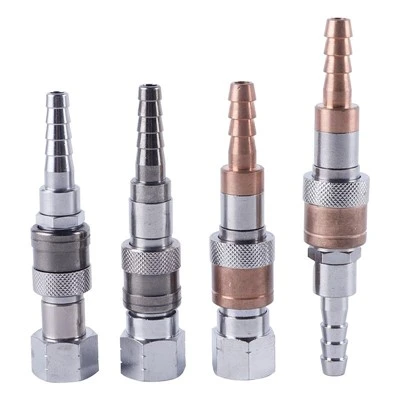
If you’re having persistent issues with air in your quick couplings, don’t guess at the fix. Reach out to us—we don’t just sell hydraulic quick couplings; we’ve helped hundreds of clients diagnose and fix air ingestion problems, from agricultural machinery fleets to construction equipment. We can help you select the right couplings for your application, walk you through proper connection and maintenance practices, and provide replacement parts when you need them. Don’t let hidden air leaks keep your system from running at its best.
References
- Hydraulic Institute. (2021). Hydraulic System Troubleshooting Guide: Air Ingestion and Cavitation.
- ISO 4414:2010. Pneumatic fluid power—General rules and safety requirements for systems and their components.
- Society of Automotive Engineers (SAE). (2019). Mobile Hydraulic Quick Coupling Performance Standards.
- Fluid Power Society. (2020). Maintenance Best Practices for Hydraulic Couplings and Seals.
Metal Push-In Fittings If you need tailored advice for your specific hydraulic system, feel free to get in touch with our team to discuss your needs and find the right quick coupling solutions for your operations.
Cixi Poolke Hydraulic Pneumatic Co., Ltd.
Cixi Poolke Hydraulic Pneumatic Co., Ltd. is one of the most professional hydraulic quick couplings manufacturers and suppliers in China, also supports customized service. Please feel free to wholesale the newest hydraulic quick couplings made in China here from our factory. Quality products and reasonable price are available.
Address: #88 Zhengtong Road, Kandun Industrial Park315303, Cixi, Zhejiang, China
E-mail: contact@poolke.com
WebSite: https://www.poolkecouplings.com/
