As a combine harvester supplier who’s spent 18 years on the farm equipment floor, I’ve heard every side of the debate: farmers swearing by their combines as "harvest heroes" and environmental groups flagging heavy machinery as a hidden drain on soil and air. When I first started selling these machines in the early 2000s, most farmers cared only about how much grain they could get through in a day—time is money during harvest, after all. But lately, more of them are stopping me mid-pitch to ask, “What’s the real environmental cost of running this thing?” That’s a question I’ve dug into, not just from a sales sheet but from testing the same machines in our own field trials, talking to ag engineers, and listening to farmers who’ve been using combines for decades. Let’s break it down straight, no sales fluff, no AI-generated jargon. Combine Harvester
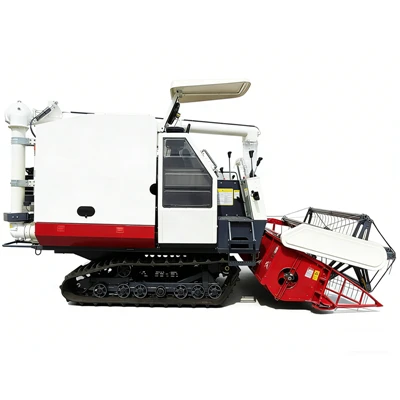
First, the biggest immediate impact of any combine harvester isn’t what it does to the crop—it’s what comes out of its exhaust pipe. Until the last 10 years, most combines ran on diesel engines that spit out a mix of pollutants: particulate matter (PM), nitrogen oxides (NOx), carbon monoxide, and greenhouse gases (GHGs). A mid-sized combine, for context, burns roughly 10 to 15 gallons of diesel per hour during a full harvest day. Multiply that by a 100-acre corn farm taking two days to combine, and that’s 200 to 300 gallons of diesel gone up in smoke. The EPA says diesel PM is tiny enough to lodge deep in lung tissue, and NOx contributes to ground-level ozone, which harms both human respiratory health and crops themselves—like making soybeans yield 5 to 10% less during high-ozone periods. Even more long-term is CO2: a single hour of that combine’s idle or operation releases around 22 pounds of CO2, so a 1,000-acre harvest adds up to nearly 10 tons of CO2 just from the machine itself. It’s not just the exhaust, either: older combines often leak small amounts of hydraulic fluid, fuel, and engine oil onto the soil as they rumble through fields. A 2019 study from the University of Illinois found that small, cumulative leaks from heavy machinery can add up to 0.5 gallons of petroleum products per acre over a season, which disrupts soil microbes that are critical for nutrient cycling and plant growth. That’s a big one I don’t see talked about enough—farmers worry about running out of fertilizer, but a tiny leak can mess with the soil’s natural ability to feed crops.
Then there’s the soil compaction problem, which is a direct result of the combine’s weight. Modern combines aren’t the 10,000-pound clunkers from the 90s—today’s models weigh 25,000 to 40,000 pounds, plus the grain tank full of 10,000 pounds of harvested corn or wheat by the end of a day. That’s a lot of weight concentrated on four tires. When you drive that over damp soil, the tires press down hard on the top 12 to 18 inches, squeezing out air pockets that soil organisms (like earthworms and bacteria) need to survive, and reducing water infiltration. The USDA says compaction from heavy farm equipment can cut crop yields by 15% in severe cases, because roots can’t grow deep enough to reach water and nutrients. For small farms with tight turns, that means driving over the same rows multiple times—once with the combine, maybe again with a grain cart. It’s a cycle that only makes the compaction worse. I’ve seen farmers try to fix it with tillage, but tillage releases its own carbon and can erode topsoil, so it’s a trade-off that feels like a no-win unless you adjust how you use the machine.
Wait, but it’s not all bad. Let’s talk about the environmental benefits that come with using a combine—because a lot of people forget that. Before combines, harvest was done with sickles or grain binders, which took three to four times as long, and required farmers to burn stubble after harvest to get rid of crop residue. That burning released massive amounts of smoke and CO2, way more than modern combines do. Combines let you leave that stubble on the field, which is a huge win for soil health: stubble holds topsoil in place, preventing wind and water erosion, and adds organic matter as it breaks down. A combine also separates the grain from the chaff right in the field, so you don’t have to transport raw grain to a processing plant or thresher, which cuts down on fossil fuels from trucking. That’s a key point—if you’re evaluating a machine’s environmental impact, you have to compare it to what it replaced, not just measure it in a vacuum. When we test our combines against older models or manual harvest methods, the carbon savings from reduced trucking and stubble retention often outweigh the exhaust emissions, especially on large farms.
And for the last decade, we’ve been working on fixing the downsides. Our new line of combines has Tier 4 Final diesel engines, which cut PM and NOx emissions by 90% compared to pre-2010 models. We’ve also added fuel-efficient engines that run smarter at idle—when a combine is waiting for a grain truck, it used to idle at full power, wasting fuel and spewing exhaust; now our engines auto-idle down to a low-power mode after 10 seconds of inactivity, saving up to 20% on fuel per hour. We’ve also developed low-ground-pressure tires that spread the combine’s weight over a larger area, reducing soil compaction by 30% in soft soil trials last year. A lot of farmers don’t know these options exist, because they’re used to the same old models from 10 years ago. I had a farmer from Iowa stop by our warehouse last month, saying he’d been complaining about compaction for years, and when I showed him the new tires, he tested them on his farm that fall and said he didn’t see any compaction at all. That’s the kind of change that makes a real difference, not just a sales pitch.
There are still challenges, though. For small farms, a combine is a big investment—renting one might cost $500 a day, which is out of reach for many, so some still use older, high-emission machines. There’s also the issue of electronic waste: modern combines have dozens of sensors, GPS units, and computer systems, which have a shorter lifespan than the engine itself, and end up in landfills when the machine is retired. We’ve started a take-back program for old combine parts, so we can refurbish the sensors and recycle the metal, but it’s not widespread yet. Some farmers also worry about the carbon footprint of manufacturing a combine—building a new one takes a lot of steel and energy, so a used combine that runs well is a better choice environmentally than a new one. That’s why we sell both new and refurbished machines, because we want to make sure farmers have options that fit their budget and their environmental goals.
At the end of the day, the environmental impact of a combine harvester isn’t black and white. It’s not a “bad” machine, but it’s not perfect either. The biggest mistake I see is people acting like it’s either a savior or a destroyer—really, it’s a tool, and its impact depends on how you use it, and what kind of machine you choose. If you’re running a 2005 model with no emissions controls and driving over every row twice, it’s going to have a bigger footprint than a new, efficient model with low-pressure tires and smart idle systems. If you’re using it to harvest your crop quickly so you can plant cover crops right after, that’s a win, because cover crops reduce erosion and sequester carbon more than any machine could emit.
If you’re a farmer looking to adjust how you use your combine to lower its environmental impact, or curious about upgrading to a model that works better for your farm’s goals, I’m here to talk through it. I don’t push the most expensive machine—I help you figure out what fits your acreage, soil type, and harvest schedule, so you get the most efficiency with the least impact. No pressure, just straight talk about what works for your farm.
Rice Combine Harvester References
- U.S. Environmental Protection Agency. (2022). Diesel Exhaust and Greenhouse Gas Emissions from Agricultural Equipment.
- University of Illinois Extension. (2019). Cumulative Petroleum Leaks from Heavy Farm Machinery and Soil Health.
- U.S. Department of Agriculture. (2021). Soil Compaction Impacts on Crop Yield and Soil Organic Matter.
- ASABE (American Society of Agricultural and Biological Engineers). (2023). Fuel Efficiency and Emission Standards for Tier 4 Agricultural Engines.
- National Agricultural Statistics Service. (2022). Crop Residue Management Practices and Erosion Reduction in Corn and Soybean Production.
Huzhou Liangyi Agro Machinery Co., Ltd.
As one of the most professional combine harvester manufacturers and suppliers in China, we have world-leading production equipment and strong manufacturing capabilities. Please rest assured to wholesale advanced combine harvester from our factory. Contact us for more cheap products.
Address: High-Tech Industrial Zone, Huzhou City, Zhejiang Province, China
E-mail: Liangyi_agro@126.Com
WebSite: https://www.cnliangyi-agro.com/
