As a professional in the field of conveying equipment supply, I’ve witnessed firsthand the critical role that efficient conveying systems play in various industries. Whether it’s in manufacturing, mining, or logistics, the performance of conveying equipment can significantly impact productivity, cost – effectiveness, and overall operational success. In this blog, I’ll share some insights on how to optimize the performance of conveying equipment. Conveying Equipment
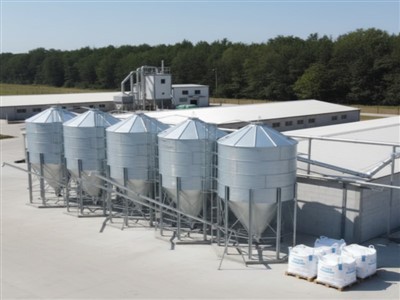
1. Select the Right Conveying Equipment
The first step in optimizing performance starts with the right selection of equipment. Different industries have different requirements, and choosing a conveyor that matches your specific needs is crucial.
For instance, if you’re dealing with light – weight and small – sized products in a manufacturing environment, a belt conveyor might be the best option. Belt conveyors are known for their smooth operation, high flexibility, and the ability to handle a wide range of product shapes and sizes. They can be easily integrated into existing production lines and are relatively easy to maintain.
On the other hand, if you’re in the mining or heavy – industry sector, where large – scale and heavy – duty materials need to be transported, a chain conveyor or a screw conveyor could be more suitable. Chain conveyors are durable and can handle high – impact loads, while screw conveyors are effective for transferring bulk materials like grains, powders, and ores.
When selecting conveying equipment, it’s also essential to consider factors such as the conveyor’s capacity, speed, and the environment in which it will operate. For example, in a food – processing facility, the conveyor must meet strict hygiene standards, so choosing a conveyor made of food – grade materials is essential.
2. Regular Maintenance
Regular maintenance is the backbone of optimizing the performance of conveying equipment. A well – maintained conveyor runs more smoothly, has a longer lifespan, and reduces the risk of unexpected breakdowns.
One of the key aspects of maintenance is lubrication. All moving parts, such as bearings, chains, and gears, need to be properly lubricated to reduce friction and wear. Following the manufacturer’s guidelines for lubricant type and frequency is crucial. For example, some high – speed conveyors may require more frequent lubrication than slower – moving ones.
Inspecting the conveyor belts or chains regularly is also important. Look for signs of wear, such as cracks, fraying, or stretching. Replace any worn – out components promptly to prevent further damage. Additionally, check the alignment of the conveyor. Misaligned belts or chains can cause uneven wear, increased energy consumption, and even product spillage.
Cleanliness is another vital part of maintenance. Remove any debris, dust, or product residues from the conveyor regularly. In some industries, such as pharmaceuticals or electronics, a clean conveyor is not only necessary for performance but also for product quality.
3. Optimize Conveyor Speed
Finding the optimal conveyor speed is a balancing act. Running the conveyor too fast can lead to several problems, such as product spillage, increased wear and tear on the equipment, and higher energy consumption. Conversely, running it too slow can result in a decrease in productivity.
To determine the right speed, you need to consider the type of product being conveyed, the distance it needs to travel, and the overall production rate. For example, if you’re conveying fragile items, a slower speed may be required to prevent damage. However, if you’re in a high – volume production environment, you may need to increase the speed slightly while still ensuring product integrity.
Advanced conveyor systems often come with speed – control features. These can be adjusted based on real – time production needs. For example, during peak production times, the speed can be increased, and during slower periods, it can be reduced to save energy.
4. Upgrade to Advanced Technology
Embracing advanced technology can significantly enhance the performance of conveying equipment. For example, the use of automation and robotics can improve the efficiency and accuracy of material handling. Automated systems can be programmed to pick, place, and transfer products at specific intervals, reducing the need for manual labor and minimizing human error.
Sensor technology is another area where significant improvements can be made. Sensors can monitor various parameters of the conveyor, such as speed, temperature, and vibration. By detecting potential issues early, maintenance can be scheduled in a timely manner, preventing costly breakdowns. For example, a temperature sensor can detect overheating in a motor, which could indicate a lubrication problem or a motor malfunction.
In addition, the implementation of data analytics can provide valuable insights into conveyor performance. By analyzing data on conveyor speed, throughput, and energy consumption, operators can identify areas for improvement and make informed decisions about system optimization.
5. Operator Training
Well – trained operators are essential for optimizing the performance of conveying equipment. Operators should be familiar with the proper operation of the conveyor, including starting, stopping, and adjusting the speed. They should also know how to perform basic maintenance tasks, such as cleaning and lubrication.
Training should also cover safety procedures. Conveyors can be dangerous if not operated correctly, so operators need to be aware of safety hazards and how to avoid them. For example, they should know how to use emergency stop buttons and how to safely enter and exit the conveyor area.
Regular refresher courses can help ensure that operators stay up – to – date with the latest operating and maintenance techniques. Additionally, involving operators in the process of conveyor optimization can be beneficial. They often have valuable insights based on their daily experiences and can provide feedback on areas that need improvement.
6. Consider the Layout and Integration
The layout of the conveying system within your facility can have a significant impact on its performance. A well – designed layout can minimize the distance that products need to travel, reduce congestion, and improve overall workflow.
When designing the layout, it’s important to consider how the conveyor will integrate with other equipment in the production line. For example, if the conveyor is feeding into a packaging machine, the height and speed of the conveyor need to be compatible with the packaging machine’s requirements.
In addition, consider the future expansion of your facility. A flexible layout that allows for easy addition or modification of conveyor sections can save time and money in the long run.
7. Energy Efficiency
Optimizing the energy efficiency of conveying equipment is not only good for the environment but also for your bottom line. There are several ways to achieve this.
First, choose energy – efficient motors. High – efficiency motors consume less electricity while providing the same level of performance. Additionally, consider using variable – frequency drives (VFDs). VFDs allow you to adjust the motor speed according to the actual load, which can result in significant energy savings, especially in applications where the conveyor operates at partial load for a significant amount of time.
Another way to improve energy efficiency is to reduce friction. As mentioned earlier, proper lubrication and alignment can reduce friction, which in turn reduces the energy required to move the conveyor.
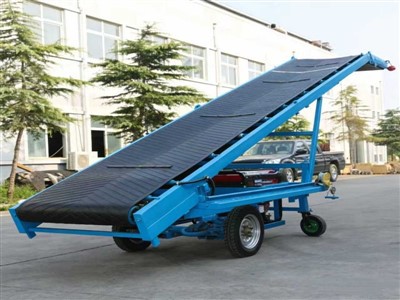
In conclusion, optimizing the performance of conveying equipment requires a comprehensive approach that includes proper selection, regular maintenance, speed optimization, technology upgrades, operator training, layout design, and energy efficiency measures. By implementing these strategies, you can improve the productivity, reliability, and cost – effectiveness of your conveying system.
Conveying Equipment If you’re interested in learning more about how to optimize your conveying equipment or are looking for high – quality conveying equipment solutions, I encourage you to reach out to us. We have a team of experts who can provide you with personalized advice and support to meet your specific needs. Let’s start a discussion on how we can help you take your operations to the next level through optimized conveying equipment.
References
- "Conveyor Equipment Handbook", Industry Standard Publishing
- "Maintenance Best Practices for Conveying Systems", Journal of Industrial Engineering
Henan Oumu Intelligent Storage Equipment Co., Ltd.
As one of the most professional conveying equipment manufacturers and suppliers in China, we’re featured by quality products and good service. Please rest assured to buy customized conveying equipment made in China here from our factory. For quotation, contact us now.
Address: No. 681, Xinzhong Avenue, Hongqi District, Xinxiang City, Henan Province
E-mail: luna@oumu-silo.com
WebSite: https://www.oumu-silo.com/
