If you’ve ever watched a bogie furnace cycle through a high-temperature heat treatment process, you know the bogie isn’t just a simple base—it’s the workhorse that holds parts, controls heat distribution, and keeps your workflow moving. As a bogie furnace supplier, I’ve spent years working with metal fabricators, heat treat shops, and aerospace component makers who tell me their biggest mistakes come down to how they load and unload that bogie. Rushed work, uneven part placement, and skipping small safety checks don’t just slow production—they can warp parts, waste energy, and even damage the furnace itself. Today, I’m pulling back the curtain on the step-by-step process I train our own clients on, straight from the field and lab experience our team has accumulated over 12 years in the business. Bogie Furnace
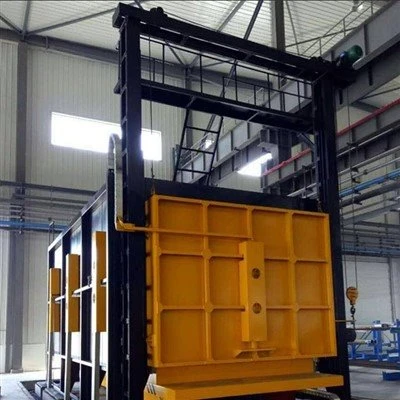
First, let’s get one thing straight: loading and unloading a bogie furnace isn’t like tossing a batch of cookies into your home oven. A bogie furnace is a large, industrial unit used for processes like annealing, normalizing, stress relieving, or sintering, often for parts ranging from small fasteners to full industrial gear housings. The bogie—that heavy, wheeled platform that pulls out from the furnace chamber—needs to support thousands of pounds of material, while allowing air (or inert gas, depending on your process) to circulate evenly. Mess up the placement, and you’ll get cold spots, inconsistent part hardness, or even parts that shift mid-cycle and damage heating elements.
Before we dive into the steps, let’s talk about pre-work. I can’t tell you how many times I’ve showed up to a client site at 6 a.m. to start a critical production run, only to find their team skipped a 10-minute pre-load check and is now digging through a pile of rusted crossbars. That’s avoidable. First, inspect the bogie itself: check the wheels for debris that could lock the platform when you slide it back into the chamber, wipe down the top surface (called the bogie plate) to remove metal shavings, oil residue, or leftover flux from previous runs. Oil and residue burn off at high temperatures, create harmful fumes, and can leave uneven deposits on your new parts. Next, test the bogie’s alignment: pull it out fully, then gently push it back to the chamber. If it doesn’t slide smoothly or tilts to one side, there’s a misalignment in the chamber rails that needs fixing before you load parts. For clients running controlled atmosphere processes—like sintering titanium or stainless steel—check the gas ports along the chamber floor and bogie: make sure they’re not blocked, because gas flow is what ensures uniform heat.
Now, the actual loading process. This is where I see most teams rush, so I break it down into three non-negotiable rules that every new operator at our partner sites learns first. Rule number one: part weight distribution. A bogie furnace can hold 10,000 pounds or more, but if you pile all that weight on one side, you’ll bend the bogie plate or warp the chamber rails over time. I always tell teams to place 40% of the total load on the front half of the bogie (the side that stays inside the chamber during unloading) and 60% on the back half. For example, if you’re loading 8,000 pounds of forged gears, place 3,200 pounds on the first 5 feet of the bogie (measured from the front door) and 4,800 pounds on the remaining 7 feet. Use a forklift with a certified load scale, not guesswork—even a 10% imbalance can cause long-term damage.
Rule number two: part spacing and support. You can’t just stack parts on the bogie. Each part needs a clear path for air or gas to flow around it, and it needs support to keep it from sagging or warping during high-heat cycles. For flat parts like steel plates or pipe flanges, use refractory crossbars (the heat-resistant metal or ceramic bars we supply with every new bogie furnace) to space layers 2 to 3 inches apart. For curved parts like shafts or gears, place them on custom refractory jigs—don’t just lay them flat. I once had a client load 120 large crankshafts without jigs, and after a 8-hour annealing cycle, 17 of them were bowed because their own weight bent them at 1,100 degrees Fahrenheit. That $14,000 in scrap was a lesson we’ve built into our training materials ever since. For small parts like fasteners, use wire mesh baskets instead of loose loading—they keep parts organized, prevent shifting, and let heat reach every surface. Leave 6 inches of space between the outermost parts and the chamber walls; that’s where the heating elements are mounted, and too-close proximity can cause overheating on the edges of your load.
Rule number three: mark your load for traceability. Most industrial heat treatment requires part tracking for quality control, so don’t forget to place a permanent, heat-resistant tag on the bogie or inside a mesh basket. I also recommend sketching a quick diagram of where each batch of parts is placed—for example, “Batch 1: front left, stainless steel valves, heat treat time 4 hours” so if there’s a quality issue later, you can trace it back to placement, not the furnace itself.
Once the bogie is fully loaded, it’s time to move it back into the chamber. This is another step where accidents happen. Never use a forklift to push the bogie back—bogies are designed to slide on their own integrated rails, and forklift forks can damage the bogie’s edge or chamber seals. Use the furnace’s built-in push-pull mechanism, and have a second operator stand at the control panel to monitor alignment as you go. Stop every 2 feet to check that the bogie is sliding straight, not tilting. Once it’s fully seated, lock it into place with the safety pins or latches the furnace comes with—this prevents the bogie from shifting during high-temperature expansion. Finally, close the door, test the door seal for leaks (for controlled atmosphere processes, use a smoke test or pressure gauge to confirm no air is getting in), and start your pre-set heat treatment cycle.
Now, unloading. Too many teams wait until the furnace is completely cool, which wastes hours of production time. But unloading too early, when parts are still at, say, 800 degrees Fahrenheit, can cause thermal shock—cracking, warping, or even breaking hardenable steels. The sweet spot for unloading is 150 to 200 degrees Fahrenheit, which is cool enough to handle without gloves (for most parts) and still allows you to turn the furnace around for the next batch. When it’s time to unload, follow the same weight distribution rule in reverse. Pull the bogie out slowly with the push-pull mechanism, just like you did when loading, and set it down on a level surface. Never unload from a sloped area, because heavy parts can roll or shift and injure someone.
Once the bogie is accessible, start unstacking parts from the top layer first, working your way down. If you used mesh baskets, lift them with a forklift and set them on a sturdy, insulated platform—don’t set hot baskets directly on concrete, which can crack from the sudden temperature change. If you used refractory jigs, remove parts carefully to avoid scratching or denting them. After all parts are off, do a quick inspection of the bogie plate and crossbars: wipe off any leftover metal shavings, check for any bent crossbars that could cause issues in the next load, and remove any debris that may have fallen into the chamber’s drain holes. These holes drain any oil or residue that burns off during cycles, and a clogged drain can cause fumes to build up inside the chamber, creating a safety hazard.
I should also mention a few common mistakes I see new operators make, especially when it comes to high-volume production. First, skipping bogie maintenance between runs. I tell every client to do a full bogie inspection once a week, not just after every load. Lubricate the wheels with high-temperature grease (not regular oil, which will burn off at furnace temperatures) to ensure smooth sliding, and check the bogie plate for warping. Second, overloading the bogie. It might be tempting to squeeze an extra 500 pounds of parts in to save a run, but that increases energy use by 15 to 20% and shortens the life of your heating elements. Our engineering team calculates the maximum load capacity for every furnace we sell, and it’s non-negotiable for consistent results. Third, mixing different materials in one load. You wouldn’t anneal brass and harden steel in the same run, but I see teams mix stainless steel and carbon steel all the time—different materials require different heat rates and cooling times, and cross-contamination can ruin parts.
As a bogie furnace supplier, my job isn’t just to sell you the equipment—it’s to make sure you can operate it efficiently, safely, and for the long haul. That’s why we include hands-on training for every operator at no extra cost, and we have a 24/7 support team that can walk you through load troubleshooting if you run into a problem mid-production. Whether you’re loading a small batch of fasteners or a full load of industrial turbines, following these steps will save you time, reduce scrap, and extend the life of your furnace.
If you’re looking to upgrade your bogie furnace or need guidance optimizing your loading and unloading processes, reach out to our team to discuss your specific production needs. We work with shops of all sizes, from small job facilities to large aerospace manufacturers, and we can tailor a solution that fits your workflow.
Nitriding Furnace References
- American Society for Metals. (2015). Heat Treater’s Guide: Practices and Procedures for Irons and Steels (5th ed.). ASM International.
- Bosley, F. (2021). Industrial Furnace Operations and Maintenance. Industrial Press Inc.
- International Organization for Standardization. (2019). ISO 14708:2019, Heat treatment furnaces – Safety requirements. ISO.
- Patel, R. (2022). “Load Distribution Impacts on Industrial Furnace Performance.” Journal of Industrial Heat Treating, vol. 10, no. 2, pp. 45–52.
Jiangsu Fangwei Furnace Industry Co., Ltd.
Jiangsu Fangwei Furnace Industry Co., Ltd. is one of the most professional bogie furnace manufacturers and suppliers in China. With abundant experience, we are committed to providing high quality customized products with competitive price. Please feel free to buy advanced bogie furnace made in China here from our factory.
Address: No.168, HuangNian Bridge, DaoShu Town, Danyang City, JiangSu Province, China
E-mail: fangwei@fwfurnaces.com
WebSite: https://www.fwfurnaces.com/
