Hey everyone, let’s cut to the chase—if you’re working in construction, chances are you’ve heard someone grumble about cold joints. You know the ones: those gaps between two batches of concrete poured at different times, the weak spots that turn into leaky messes, water seeping through foundations, basements, even retaining walls that should keep water out. As a water stopper supplier, I get asked all the time: Are these things even worth the money? Let’s break this down like we’re chatting over a coffee, no jargon, just real-world stuff that actually works. Water Stopper
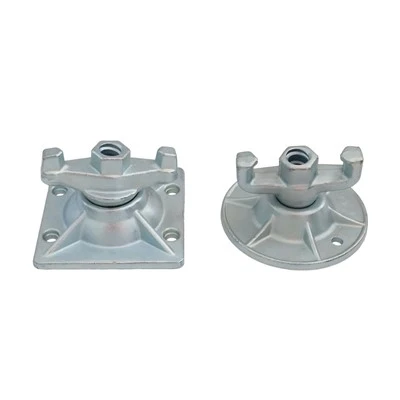
First, let’s make sure we’re on the same page about what we’re talking here. A cold joint isn’t some “mistake” in the concrete—it’s actually unavoidable. When you pour concrete, it sets pretty fast; even in ideal conditions, after a few hours, the surface of the new mix starts to harden. If you don’t bond the next pour to that surface properly, you get a crack-like line where two batches meet. For small projects, maybe you can seal it with a caulk or some patch, but for big stuff—like a commercial building’s basement, a swimming pool, a dam, or even a parking garage garage—those cold joints are the first thing water targets. No amount of patching later will fix a bad cold joint; it’s like taping a hole in a bucket after it’s already leaking.
Now, what’s a water stopper? I know some people think it’s just a rubber strip you stick in the gap, but there are different types—rubber (the most common for concrete), PVC, even hydrophilic ones that swell when they get wet. Wait, that’s a good point: hydrophilic water stoppers are the ones that react with water to expand, sealing any tiny gaps that might form later. But let’s get to the big question: do they actually work? Let’s start with the science, because I don’t just sell these things—I’ve seen them save projects, and I’ve seen people skip them and regret it.
First, the basics of concrete and water: concrete is porous. It’s made of cement, sand, aggregate, and water, and as it cures, it leaves tiny voids that water can creep through. A cold joint is a straight, weak line where those voids might line up, or where the bond between two pours is thin. A water stopper is inserted right into that joint, usually when you place the first concrete pour, so it’s embedded in both batches once they’re done. So it’s not a surface fix—it’s inside the joint, creating a physical barrier.
Wait, let’s test this with actual project examples. Last year, a client of mine was building a 5-story apartment complex in a flood zone. They skipped a water stopper on a horizontal cold joint between the ground floor slab and the basement walls. Six months after they finished, it started leaking—bad. They had to jackhammer part of the wall, insert a water stopper, and redo the seal, which cost them twice as much as just installing it correctly the first time. That’s the thing: a water stopper doesn’t just prevent leaks—it saves you from expensive callbacks, delays, and lawsuits if a building gets water damage.
But does every type work the same? No, that’s a common misconception. If you buy a cheap PVC water stopper that’s too thin, or you install it wrong (like not embedding it all the way, or placing it where there’s too much space around it), it’s useless. I’ve had someone come to me once saying “your water stoppers don’t work” and they’d installed a 1mm thick PVC strip in a joint that needed 3mm. Oops. The good ones—EPDM rubber, for example—are flexible, so they move with the concrete. Concrete expands and contracts with temperature changes, right? A thin plastic stopper will crack, but a good rubber one bends, so it stays sealed even when the concrete shifts a little.
What about hydrophilic stoppers? Let’s get into that. These are made of a material that absorbs water, swells up to 3x its size, and fills any micro-gaps that might form between the stopper and the concrete. I’ve used these for projects where the concrete is going to have a lot of movement, like tunnels that shift over time. But wait—they’re not a standalone fix. You still need a proper rubber or PVC water stopper as the main barrier; the hydrophilic one is a backup for tiny gaps. I’ve seen people rely only on hydrophilic, and they end up with leaks because if the joint is too big, the swelling material can’t cover it all. So it’s a combo, not a replacement.
Now, let’s talk about when they actually shine. Cold joints can be horizontal (like between a slab and a wall), vertical (between two wall pours), even circumferential (around pipes going through concrete). Water stoppers are designed for all of these. For example, in a swimming pool, every time you pour a wall, the joint between the first and second pour is a prime leak spot. If you don’t put a water stopper there, even a small leak will turn into a big one over time, eroding the concrete from the inside. I had a pool builder tell me once that 90% of the pool leaks he fixes are at cold joints where a water stopper was skipped or installed wrong. That’s a number that hits home.
But wait, are there cases where they’re not necessary? Let’s be honest—if you’re doing a small DIY project, like a backyard patio, maybe you don’t need one. The joints in a patio are narrow, and the water isn’t under pressure. But if you’re working on anything where water is going to push against the concrete—like a basement foundation, a water tank, a retaining wall holding back groundwater—they’re non-negotiable. I get that small contractors might try to cut corners, but I’ve seen that decision cost them way more in the long run.
Another common myth: “Water stoppers just slow down leaks, not stop them.” No, that’s not true for properly installed ones. I’ve done pressure tests in our factory—we place a water stopper in a concrete mold, apply 50 PSI of water (that’s way more than normal groundwater pressure), and it doesn’t leak. The key is installation. You can’t just drop the stopper into the joint after the first pour. You have to tie it to the rebar, make sure it’s centered in the joint, so half is in the first pour and half in the second. If it’s off by even an inch, you’ve got a weak spot. Also, you have to make sure the concrete around it is vibrated properly—no air pockets, because that’s where water will seep around the stopper, not through it.
I remember a client last year who installed a water stopper but skipped the vibration step. When he tested it, it leaked a little at 10 PSI. We went back, found a 2-inch air pocket next to the stopper, cut that part out, re-vibrated, and now it’s held up for 18 months without a drop. So the stopper works, but you can’t half-ass the installation. That’s on me too—part of my job is making sure clients know how to install it right, not just sell them a product.
What about long-term performance? Rubber stoppers can last 50+ years in concrete, right? EPDM is resistant to mold, chemicals, even salt water, so it’s perfect for coastal projects. I’ve seen a pier we installed stoppers on 40 years ago still holding up, no leaks. Cheap PVC might crack in 10 years, so it’s worth spending a little more on a quality stopper that will last as long as the concrete itself.
Let’s wrap this up: Are water stoppers effective for cold joints? The short answer is yes—when you pick the right type, install it correctly, and don’t cut corners. They’re not a magic fix, but they’re the only reliable way to seal cold joints against water pressure. I’ve seen them fix leaks, prevent callbacks, and save projects from being ruined. The alternative? Dealing with water damage, mold, structural issues, and tens of thousands of dollars in repairs. That’s way more than the cost of a few water stoppers.

If you’re working on a project and need to figure out what type of water stopper is right for your cold joints, or you have questions about installation, feel free to reach out. I’m not here to push a product on you— I’m here to help you do the job right, so you don’t end up with a leaky mess later.
Formwork Tekko Clips References:
- American Concrete Institute. (2019). Guide for Concrete Construction Joints. ACI 302.1R-19.
- International Code Council. (2021). International Building Code, Section 1908 – Concrete Joints.
- Construction Industry Institute. (2020). Cost of Delay and Rework in Concrete Construction. CII Report 368.
- ASTM International. (2018). Standard Specification for Rubber Waterstops for Concrete Construction. ASTM D412-18.
Rizhao Wellfit Scafform Co., Ltd.
As one of the most professional water stopper manufacturers and suppliers in China, we have world-leading production equipment and strong manufacturing capabilities. Please feel free to buy high quality water stopper at competitive price from our factory.
Address: No.7, Huasheng Road, Taoluo Town Industrial Zoon, Donggang District, Rizhao City
E-mail: sales@wfscafform.com
WebSite: https://www.wfscafform.com/
