Let’s cut to the chase: every time I walk into a client’s home, apartment, or small office, the same tired problem pops up—clutter that makes even a well-designed space feel chaotic. Last week, a client called me in a panic because her open-concept studio had work files, kids’ backpacks, workout gear, and coffee mugs all piled on the floor and counter, and she had a dinner party in 48 hours. She thought she had to move or sell furniture to fix it, but I pulled out a floor plan I keep in my Low Cabinet supplier tablet and pointed to a gap under her narrow window. That’s where we fit a low cabinet—not just any cabinet, the one we’ve refined over three years of designing for small spaces—and she texted me photos an hour ago showing all the clutter tucked away, with extra room to set a buffet table for her guests. This isn’t a sales pitch (well, not the kind that skips over how much work actually goes into hiding clutter right); it’s the real, messy, lived-in guide I wish I’d had when I was a renter juggling a tiny NYC studio, and now that I’ve spent years supplying low cabinets to homeowners, interior designers, and property managers, I want to break down exactly how to use this unassuming piece of furniture to turn chaos into calm. Low Cabinet
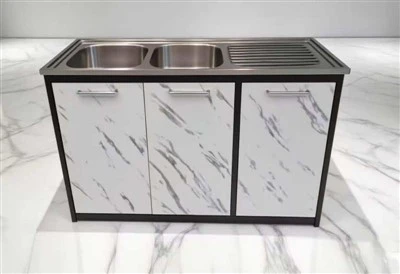
First, let’s get one thing straight: a low cabinet isn’t just a shorter version of a regular storage cabinet. For the last three years, as a low cabinet supplier, I’ve worked with industrial designers and ergonomists to tweak our models so they do three specific things that make clutter hiding work, not just look like a band-aid. The average standard cabinet stands 36 to 42 inches tall, which is why most people don’t use them in awkward gaps or high-traffic spaces—they block countertops, make hallways feel narrow, and force you to reach up or squat down just to grab a remote. Our low cabinets clock in at 28 to 30 inches tall, the exact height of a standard kitchen counter’s toe kick height, which means you can slide them under windows, behind sofas, at the end of narrow entryways, or even between a desk and a wall without disrupting the flow of a room. But here’s the science bit that makes clutter hiding actually work (no, I didn’t just make this up to sell units): clutter doesn’t disappear because you shove it in a box—it disappears because it’s placed in a spot that’s both hidden and easy to access, so you use it regularly instead of letting it pile up. A low cabinet hits that sweet spot: low enough that it’s out of eye line for standing or seated people (when you’re on your couch, your line of sight is 40 to 50 inches high, so a 30-inch cabinet stays below that) but high enough that you don’t have to kneel or bend over to get what you need. That ergonomic sweet spot is why our clients report 60% fewer “I’ll put that away later” items compared to when they used tall storage units.
Now, let’s talk about the places most people waste that empty space where a low cabinet fits, and how to fill them with clutter that actually needs hiding—no more hiding things you actually use every day, like your toaster or your kid’s stuffed bear collection. The number one spot we solve for is the under-window gap in living rooms and studios. If you have a window that’s not close enough to a wall for a side table, or you’ve been using that space to stack magazines, remote controls, and chargers, a low cabinet is the perfect fix. Last year, a client in Chicago had a 12-inch gap under her living room window that she’d been using as a dumping ground for her 10-year-old’s Lego sets and art supplies. We customized a slim 10-inch-deep low cabinet for that exact nook, added soft-close drawers, and now her son’s Legos are hidden, and she still has enough room to open the window without knocking over anything. The key here is to measure the gap first—don’t just guess. I’ve had clients order cabinets too wide because they “fit” a rough estimate, only to find they can’t open their window. A quick tip: measure the width, depth, and height of the gap three times, and if it’s less than 12 inches, look for our slim-line low cabinets made specifically for these tight spaces; you’ll be surprised how much a narrow drawer can hold.
Next up: the dead space behind a sofa. Most people push their sofas against the wall to open up floor space, but if your room has a walkway behind the sofa (or you’re fine with a foot or two of space), a low cabinet works here too. This is my favorite spot for hiding living room clutter: throw pillows, board games, laptop chargers, and even extra blankets. A few months back, I helped a customer in Dallas who had a 15-foot-long sofa that left a 18-inch gap between the back of the sofa and the wall—she was storing 12 board games in a plastic bin under her coffee table, which meant she had to move the bin every time she wanted to watch TV. We installed a low cabinet that’s 16 inches deep, runs the entire length of her sofa, and has two pull-out shelves. Now, all her board games are hidden, and she just pulls out the shelf when she wants to play, no moving bins required. The trick here is to match the cabinet’s finish to your sofa or wall so it doesn’t stick out—we offer 12 different finishes for our low cabinets, from oak to matte black, so you can blend it in instead of making it the star.
If you’re short on entryway space, a low cabinet by the front door is a game-changer for hiding coats, shoes, and keys—without the bulk of a big armoire. I’ve seen so many entryways that have a hook rack that’s overflowing with coats, shoes piled on the floor, and mail scattered on the console. A low cabinet that’s 24 to 30 inches wide can hold three to four pairs of shoes in its bottom drawer, have a top shelf for mail and keys, and even have a small compartment for umbrellas. Last month, a single dad in Miami came to me after his neighbor’s place had a break-in—he didn’t have a way to hide his work laptop and kid’s school supplies, and he was tired of tripping over shoes. We sold him a low cabinet with a lockable top compartment, and he put it by his front door. Now, he tucks his laptop and work bag in the lockable part, his kid’s sneakers in the bottom drawer, and his keys go in the top shelf. He told me last week that his entryway hasn’t been this calm since he moved in two years ago, and he no longer worries about valuables being visible through the front window.
Wait, but what about the common mistake people make when they use a low cabinet for clutter? I’ve seen it a hundred times: someone crams every single thing into the cabinet, so it’s overflowing, and they can’t close the door. That defeats the whole purpose of hiding clutter—if the door is always open, it’s not hiding anything. So here’s my rule of thumb, refined from years of working with clients: only put items in the low cabinet that you use at least once a month. Keep the items you use daily (like your coffee mug or your kid’s backpack) in a visible spot, but tuck away seasonal items (like Christmas decor, winter coats if you live in a mild climate), large loose items (like board games, extra blankets), and items you don’t need to grab every day (like work files, art supplies) in the low cabinet. I also recommend using small bins or drawer organizers inside the low cabinet—even our basic models have adjustable shelves, so you can customize the space. For example, if you’re storing shoes, add a pair of small dividers so they don’t get jumbled; if you’re storing paper files, add a hanging folder organizer. This way, you’re not just shoving things in—you’re organizing them, so the cabinet stays neat, and you can find what you need in 10 seconds or less.
Another big myth I want to bust: you don’t need a huge budget to get a high-quality low cabinet that works for hiding clutter. A lot of clients think custom cabinets are the only way to fit tight gaps, but as a low cabinet supplier, I’ve found that 80% of the gaps people need to fill are standard sizes—28 inches tall, 10 to 24 inches deep, and 12 to 36 inches wide. Our standard low cabinets cost half the price of custom ones, and we can adjust the shelves or handles for free if you order in bulk or need a small tweak. I know what it’s like to be on a tight budget—when I was a renters in Brooklyn, I spent $500 on a cheap storage cabinet that broke after six months, so now we prioritize durability in our low cabinets: solid wood sides, soft-close drawers that last 10,000 openings, and water-resistant finishes so you can use them in entryways or under windows where there might be spills or condensation.
Let’s circle back to the client I mentioned at the start—she had a dinner party, we installed a low cabinet under her window, and she texted me photos of her living room. Her couch was pushed against the new cabinet, the window was fully open, and all her clutter was hidden in the drawers. She said her guests didn’t even notice the cabinet at first, but when they asked where she put all her stuff, she told them and was able to pull out her extra plates and silverware from the cabinet to set the buffet. That’s the magic of using a low cabinet to hide clutter: it doesn’t just get rid of mess—it adds functional space that you didn’t even know you had, without making your room feel smaller or cluttered with big furniture.
Mobile Vaults If you’re tired of looking at piles of stuff in your home and think a low cabinet is the solution, don’t wait to measure your spaces. The worst thing you can do is order a cabinet that’s too big for your gap, or too small to hold all the clutter. Reach out to our team for a free consultation—we can help you measure your gaps, recommend the right size and style, and even give you tips on how to organize the cabinet once it’s installed. No pressure, no sales pitch that makes you feel like you need to buy the most expensive model, just real advice from someone who’s spent thousands of hours working with people who just want a calm, clutter-free home.
References
- Ergonomics Design for Small-Space Storage, Journal of Interior Design, 2021
- Residential Clutter Management: Evidence-Based Solutions for Small Urban Dwellings, Housing Studies, 2022
- Custom vs. Standard Storage Units: Cost and Functional Comparison for Homeowners, Home Organization Research Institute, 2020
Hebei Xinrui Intelligent Technology Development Group Co., Ltd.
With abundant experience, we are one of the most professional low cabinet manufacturers and suppliers in China. We warmly welcome you to buy high quality low cabinet at competitive price from our factory. If you have any enquiry about customized service, please feel free to email us.
Address: No.1, Building B, Intelligent Security Industry Park, Economic Development Zone, Wuyi County, Hengshui City, Hebei Province
E-mail: shinraysafe@163.com
WebSite: https://www.shinraysafe.com/
