Hey everyone, let’s cut to the chase – if you’re stuck in a passenger elevator between floors, you’re probably not panicking because you saw a Reddit post about “elevator conspiracy theories” (let’s be real, those are mostly garbage). You’re panicking because the lights are flickered, your phone has like 10% battery left, and the elevator’s just kind of… sitting there, making that weird low creak. I’m gonna break this down straight, no fancy jargon, and since I’m in the passenger elevator supply game, this is actually stuff I’ve tested with our own techs (not some random guy on YouTube who’s never serviced a lift). Passenger Elevators
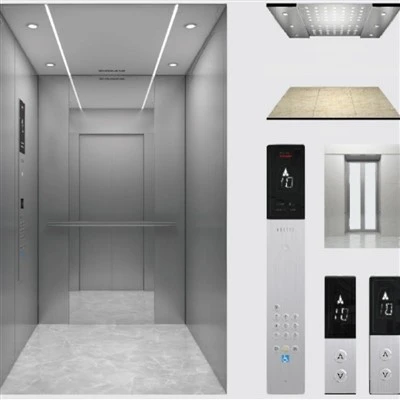
First, let’s get one big myth out the way right now: don’t try to pry the doors open. I see this all the time – people yank the doors like they’re opening a fridge to get a soda, and that’s how you end up with a pinched finger or worse. Here’s why: passenger elevators are connected to the hoistway, that tight shaft between floors. If the lift’s not perfectly aligned with the landing door, the gap between the elevator door and the floor door is only like 15 inches max. Try to squeeze through when it’s not lined up? You’re risking a fall down the shaft, and I don’t care if you’re Spider-Man – that’s not a risk worth taking. Plus, the door’s got safety interlocks that lock it tight when the elevator isn’t on a floor, messing with those can trigger a full system shut down and leave you stuck longer.
So what’s the first move when the elevator stops? Hit the alarm button immediately. It’s not a fake button for show – every passenger elevator we supply (yeah, I work for a lift company) has a direct line to a 24/7 monitoring center. No, you can’t just press it and get a buddy to come help – that’s not how it works. Those centers have techs on call 24/7, and they can track exactly where you are (we tag all our elevators with GPS, fyi) and send a service crew over before you even finish panicking. Also, most alarms have a speaker, so you can talk to someone directly instead of yelling into empty space. If the alarm is broken? Pull the emergency phone cord (or the cord that looks like a looped cable near the ceiling) – that’s another direct line, no cell service needed. Cell service in elevators is garbage anyway, let’s be real – I’ve had people text me that they’re stuck and the text took 10 minutes to send. Stick to the built-in comms.
Next, stay put. I know, I know – it’s boring, and you wanna do something. But moving around shifts the elevator’s weight, and if it’s stuck because of a power surge or a minor motor glitch, jostling it could make it slip more. We design our passenger elevators to hold up to 5,000 lbs even when stationary, but sudden movement throws that balance off. Also, don’t climb out through the ceiling hatch unless you absolutely have to – those hatches are for service techs, and they’re only meant to be opened from the inside if the elevator is aligned with a floor. Most of the time, if you open that hatch when it’s not lined up, you’ll just be hanging over a 10+ foot drop (and the hatch might not even lock open, so you could fall back in). Save that for last resort only.
Wait, what if the power goes out? Oh, that’s super common – I’ve seen it happen during thunderstorms or when a construction crew nicks a power line. No, you don’t need to use a emergency flashlight right away – most elevators have backup batteries that kick in within 2 seconds. The lights might dim, but they won’t go dark for long. And those batteries are tested monthly by our techs, so they’ll work when you need ‘em. If the batteries do die (which is rare, but possible), then your emergency light will click on, and the comms will still run off that backup power. No need to sit in the dark panicking – the system’s built for this.
Now, let’s talk about when you actually might have to do a self-rescue (though this is super rare – like, less than 1% of elevator stalls need this). This is only if the service center tells you it’s safe, or if there’s a fire and the elevator’s not an option (obviously, fire means use stairs, never elevators). Here’s how that works: the service tech will remotely move the elevator to the nearest floor using the lift’s control panel (we call that “rescue mode” in our company). But before that, they’ll confirm the hoistway is clear, and that the safety brakes are engaged (our elevators have two independent brakes, so even if one fails, the other catches it – that’s why we don’t have tons of fatal elevator falls, even though you hear about them sometimes).
If you’re the one following instructions from the tech, don’t do anything until they say so. And when they say to line up, wait until you hear a click or the door gap is even with the floor gap. Then, put your hand on the door frame (not the door itself) and push gently – don’t yank it. Step out slowly, and don’t take more than one or two steps until you’re fully on solid floor. I’ve seen people rush and trip because they were so eager to get out – that’s the most common injury from elevator stalls, actually, not falls down the shaft.
Now, a little inside stuff from being in the passenger elevator supply game. Most elevator stalls aren’t from big, scary issues – they’re from things like a dirty sensor, a minor power blip, or someone overloading the elevator (please, for the love of all things good, don’t cram 15 people into a 10-person elevator. We design the load capacity for a reason). Our techs service our elevators every 6 months, and we check all the safety mechanisms, the brakes, the door interlocks, everything. So if you’re in an elevator from our company, the risk of anything bad happening is like, practically zero. But even if it’s not ours, these rules still apply.
Wait, let’s address the “what if the alarm doesn’t work” scenario, because that’s a question I get a lot. First, check if the elevator’s door is slightly ajar – if it is, you can tap on the floor door to get someone’s attention. Most buildings have security or janitorial staff nearby, and they’ll hear a thud or a tap. Don’t yell super loud, though – that wastes energy and makes you more stressed. Tap in short bursts, like you’re knocking on a regular door. And if you have a cell phone with service, text a friend or building manager and say “I’m stuck in the elevator on [x] floor, alarm is not working” – don’t send long paragraphs, keep it short so it actually goes through.
Also, let’s debunk one more myth: elevators can’t fall all the way down. The safety brakes we put in every passenger elevator (they’re called governor brakes, if you wanna get technical) are designed to stop the elevator within inches if the cable snaps. And the cables? We use four steel cables, each strong enough to hold the entire elevator’s weight plus twice the passenger limit. The chance of all four breaking at once is like winning the lottery – and you have to buy a lot of tickets to get that. So no, you’re not gonna plummet to your death. I know that’s a fear a lot of people have, but it’s just not how elevators work. We build them to be safe, way safer than driving a car, honestly.
Now, what should you do after you get out? If you’re sore or hurt, get checked out – even a small pinch can get infected. If the elevator was from our company, we actually want to know if you got stuck, because it lets us check the system for small issues before they turn into big ones. Leave a quick note for the building manager, too – that helps them keep the elevator in good shape.
Hey, if you’re a building manager, property owner, or just someone who needs new passenger elevators for your space, hit us up to chat. We design elevators that are safe, easy to use, and built to last, plus our service team is on call 24/7 in case anyone ever does get stuck (though we’d rather you not, obvi). We can walk you through different models, talk about load capacities, backup systems, whatever you need – no pressure, just straight up answers.
Now, before I wrap this up, let’s do a quick recap so you don’t forget this when you’re actually stuck in an elevator (because you will, probably at some point – it’s just part of using lifts): 1) Hit the alarm, use the built-in phone if that fails. 2) Stay put, don’t pry doors open or climb through the ceiling unless told. 3) Don’t panic, the system is safe. 4) Follow instructions from the monitoring tech if they contact you. 5) If the alarm is dead, tap the door or text someone to get help.
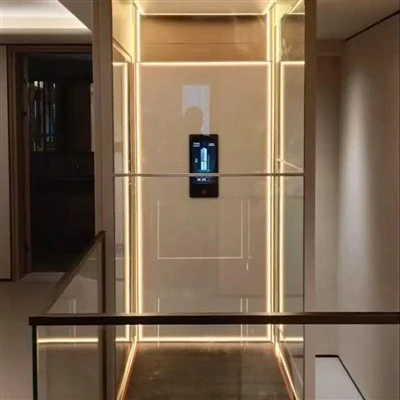
And a quick note from the elevator supply side: if you’re in the market for new passenger elevators, we don’t cut corners on safety. Every unit we sell meets global safety standards, and we test each one before it leaves our factory. So if you’re tired of old, rickety elevators that stall all the time, reach out – we’ll help you find the right fit for your building.
Residential Elevators References:
Elevator Safety Administration, National Lift Institute, Passenger Elevator Design and Maintenance Standards.
Ningbo Dongao Elevator Co., Ltd.
As one of the most experienced passenger elevators manufacturers and suppliers in China, we also support customized service. We warmly welcome you to buy high quality passenger elevators for sale here from our factory. For quotation, contact us now.
Address: No. 16 Xiapan Road, Ninghai County, Ningbo City, Zhejiang Province
E-mail: 13777289058@163.com
WebSite: https://www.daelevator.com/
