If you’ve ever sat in traffic during a 911 call, watching a regular ambulance inch past double-parked cars and tight construction barriers, you know there’s a problem. For years, we’ve relied on full-size ambulances to get patients care fast—but they’re not the only option anymore. As someone who’s spent years working with ambulance tricycles (yep, I’m the guy who sells ’em) and hearing from medics, city planners, and aid workers, I can tell you: ambulance tricycles aren’t just a “novelty”—they’re a game-changer for a lot of places regular ambulances can’t reach. Let’s break down why these three-wheeled rigs are worth paying attention to. Ambulance Tricycle

First off, there’s size and maneuverability. I’ve seen regular ambulances get stuck on narrow residential streets, especially in older urban areas like parts of Mumbai, Nairobi, or even neighborhoods in my home city of Bogotá. Those full-size vehicles are 20 feet long, 7 feet wide, and they need a huge turning radius—like, you can’t even make a U-turn on a street where the two lanes are only 10 feet wide. Ambulance tricycles? Most of ’em are under 10 feet long and 3.5 feet wide. They can weave between parked cars, squeeze through construction zones, and make sharp turns without backing up three times first. Last year, a fire department in Medellín told me their regular ambulance took 12 minutes to get to a call in a hillside neighborhood with 8-foot-wide streets—their tricycle got there in 4 minutes. That’s 8 fewer minutes a patient could be dealing with something time-sensitive, like a heart attack or childbirth. Maneuverability isn’t just convenient—it’s life-saving.
Then there’s access to places regular ambulances can’t go. A lot of low-income areas have dirt paths, unpaved side streets, or even pedestrian-only zones where cars are banned. I once worked with a disaster relief group that was responding to floods in Bangladesh—regular ambulances were getting stuck in muddy roads, but their tricycles? We added puncture-resistant tires and upgraded suspension, and they got to isolated villages where the big rigs couldn’t. Even in cities, think about events like marathons, concerts, or street fairs. Regular ambulances can’t drive through crowds, but ambulance tricycles can carry a medic and basic gear (oxygen, a defibrillator, bandages) right to the person who needs help. We sold a tricycle to a race promoter in NYC last year, and they said it cut response time for trackside emergencies in half. No more having to carry a stretcher half a mile from the nearest parking spot—you drive right up.
Cost is another big one. Let’s be real, regular ambulances are expensive. A new full-size ambulance costs anywhere from $150,000 to $250,000, before you add in maintenance, fuel, insurance, and the gear you need to stock it. Ambulance tricycles? Our models are a fraction of that—usually between $12,000 and $20,000. That’s not just a “cheaper price tag” thing; it means smaller towns, community health clinics, and even private events can afford to have emergency vehicles on hand that they couldn’t before. I’ve talked to a volunteer fire department in a small town in Guatemala that couldn’t justify a regular ambulance, but they bought two of our tricycles with grant money and now cover 3x more calls than they used to, without breaking the bank. Maintenance is cheaper too—three wheels instead of four, simpler engines, easier to fix in a pinch. You don’t need a fancy mechanic to replace a tire or top off the oil.
Fuel efficiency? Don’t sleep on that. Regular ambulances are gas guzzlers—they’re big, heavy, and often idle a lot while waiting at accidents or in traffic. A full-size ambulance gets about 10 to 15 miles per gallon. Our tricycles? Most get 50 to 70 miles per gallon. That’s a huge difference, especially in places where fuel is expensive. A city that runs five tricycles instead of two regular ambulances would spend way less on gas every month. We’ve had clients in rural areas of Kenya tell us that their fuel costs dropped by 75% once they switched from a big ambulance to two tricycles. For organizations on tight budgets, that adds up to more money for medical supplies, training, and other stuff that actually helps patients.
Wait, but let’s get real—are ambulance tricycles actually good enough for medical care? I hear that question a lot, so I’ll address it. Yeah, they’re smaller than regular ambulances, but that doesn’t mean they skimp on critical gear. Our tricycles have all the essentials you need for basic emergency care: a portable oxygen tank, a semi-automated defibrillator, first-aid kits, stretchers that fold up to fit, and even space for a medic to ride along and provide care while moving. We also customize ’em—some clients add refrigerators for meds, some add solar-powered chargers for devices, some even have lights and sirens so they’re visible in low light. It’s not a replacement for a full-size ambulance when you need to transport a critical patient to a hospital, but it’s a huge upgrade for first response. A lot of the time, the first 10 minutes after an emergency are the most important—having a vehicle that gets you there faster, even if you need to transfer the patient later, makes a massive difference in outcomes.
Another thing: parking and storage. Regular ambulances need dedicated parking spots, often with a garage to protect them. In dense urban areas, parking is at a premium—cities spend a ton of money on parking for emergency vehicles, or they have to park them far from the stations, which adds time to response. Ambulance tricycles? They’re small enough to fit in a regular parking spot, or even against a building wall. We have clients who store theirs in the back of a community center, a church basement, or even a residential driveway. That means you can have your emergency vehicle closer to where calls happen, instead of having to drive 5 minutes just to get to the street. I worked with a hospital in Seoul that added four tricycles to their fleet, and they cut response time by 15% because they didn’t have to move the big ambulance from the parking garage every time a call came in. They just roll the tricycle out the door and go.
And let’s talk about environmental impact, even if that’s not the first thing you think about with emergency vehicles. Regular ambulances emit a lot of exhaust—they’re running all day, idling in traffic, using more fuel. Ambulance tricycles produce way less carbon emissions, especially if you go with an electric model. We make electric ambulance tricycles too, which have zero tailpipe emissions. That’s a big deal in cities with bad air pollution, like Delhi or Mexico City, where even small reductions in exhaust can help public health workers and patients with respiratory issues. A city that switches to electric tricycles for emergency response isn’t just saving money on fuel—they’re reducing air pollution, which benefits everyone. Plus, electric tricycles are quieter, so they don’t add to noise pollution in residential areas or during events, which is a win for communities.
Now, I know what some people are gonna say: “What about bad weather?” Admittedly, tricycles don’t handle snow or heavy rain as well as regular ambulances. But here’s the thing—we design our tricycles for the weather where they’ll be used. If you’re in a place with lots of rain, we add rain covers, windshield wipers, and even small canopies. If you’re in a snowy area, we swap the tires for studded ones. A lot of places where regular ambulances struggle in bad weather are actually mud or flooded areas, and tricycles with all-terrain tires work way better than big rigs in that mess. I had a client in Indonesia who used their tricycles during the monsoon season—they got through floodwater that was up to a foot deep, while their regular ambulance had to wait for the water to recede. It’s about matching the vehicle to the environment, not assuming one size fits all.
Another point: accessibility for operators. Regular ambulances require a driver’s license for a heavy vehicle, which some people don’t have. Ambulance tricycles are easier to operate—most people can learn to drive one in a day, and they don’t require a special heavy-duty license. That means you don’t have to rely on a small pool of qualified drivers; you can train local people who know the area, know the streets, know the community. Local drivers are way faster at navigating narrow streets, avoiding obstacles, and even knowing which house is the one with the emergency, which cuts response time even more. I’ve seen rural communities where the only people who could drive a regular ambulance were a couple of paramedics, so if they were on a call, there was no one to drive the rig. With tricycles, you can train 5 or 10 local people, so there’s always someone available.
Wait, let’s not forget about community trust. Ambulance tricycles are smaller, more approachable, and blend in more than big, intimidating regular ambulances. In some areas, especially with marginalized communities, people might be hesitant to call 911 because of distrust in official services. A three-wheeled rig driven by a local medic feels less scary, more familiar. I had a client in a slum in Nairobi tell me that people are 30% more likely to call for help now that we have tricycles, because the vehicle doesn’t look like a “foreign” official thing— it looks like a neighbor helping out. That’s a huge, underrated advantage: more people accessing emergency care because they feel comfortable calling for it.
Of course, ambulance tricycles aren’t perfect. If you have a patient who needs a stretcher that’s too big, or a critical care team, you still need a regular ambulance. They’re not a replacement for full-size rigs in every situation. But for first response, narrow streets, remote areas, and communities with tight budgets, they’re way better than what’s been available for years. They fill a gap that regular ambulances can’t, and that’s why we’ve seen so many cities, towns, and aid groups switching to them.
At the end of the day, emergency care is about speed, access, and affordability. If you can get a medic and basic care to a patient faster, in a place a big rig can’t reach, without spending a fortune, that’s a win for everyone. I’ve seen too many people wait too long for care because a regular ambulance got stuck, or couldn’t get to their street, or was too expensive for their community. Ambulance tricycles fix those problems.
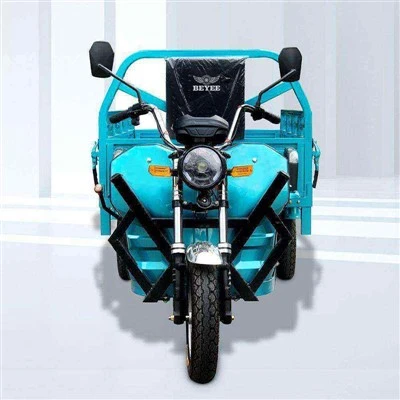
If you’re looking to upgrade your emergency fleet, add response options for hard-to-reach areas, or just cut down on costs while saving more lives, we can help. We’ve worked with groups all over the world to customize ambulance tricycles for their specific needs, from rural villages to urban event spaces. We’re here to walk you through the options, answer your questions, and find the right fit for your community. Reach out to us to start a conversation about how ambulance tricycles can work for you.
Cargo Tricycle References:
World Health Organization. (2021). Pre-hospital emergency care in low- and middle-income countries: Challenges and opportunities.
International Association of Fire Fighters. (2022). Maneuverability and access challenges for urban emergency vehicles.
UN Office for the Coordination of Humanitarian Affairs. (2021). Emergency transport in isolated and disaster-affected areas.
Global Road Safety Facility. (2020). Fuel efficiency and emissions comparison of urban emergency vehicles.
Chongqing Beiyi Vehicle Co., Ltd.
With abundant experience, we are one of the most professional ambulance tricycle suppliers in China. We warmly welcome you to buy durable ambulance tricycle at competitive price from our factory. If you have any enquiry about pricelist, please feel free to email us.
Address: Area B, Luohuang Industrial Park, Jiangjin District, Chongqing.
E-mail: dayang@besttricycle.com
WebSite: https://www.beyeemoto.com/
