If you’ve ever driven a heavy-duty truck, a delivery van, or even a bus powered by LNG, you know that these vehicles offer a huge advantage over diesel: lower emissions, quieter operation, and often lower fuel costs. But as an LNG station supplier, one question I get asked more than any other by fleet managers, facility operators, and even new potential clients is: “How often do LNG stations need maintenance?” It’s not a one-size-fits-all answer, and I’ve spent years working hands-on with stations across North America to refine what works. Today, I want to break down that reality—from routine checks to unexpected repairs, and why getting maintenance right isn’t just about upkeep, it’s about keeping your fuel flowing and your operations running smoothly. LNG Stations
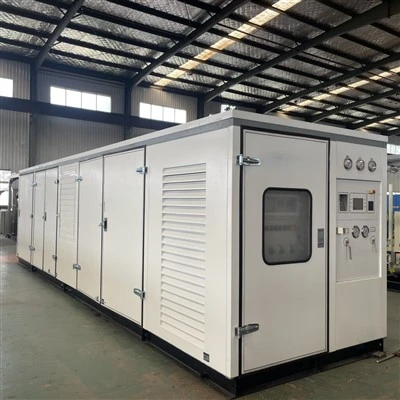
First, let’s start with the basics: what makes an LNG station different from a traditional gas or diesel stop? LNG is stored as a super-cooled liquid, at roughly -260°F, so the entire infrastructure—storage tanks, pumps, vaporizers, and dispensing nozzles—works with extreme cold. That constant cryogenic environment puts unique stress on every component, which is why maintenance timelines aren’t the same as what you’d expect for a standard fuel station. I’ve seen new operators assume LNG stations can go years without a tune-up, only to run into a small leak or a failed valve that shut down their entire fueling network for three days. That’s why education is half the battle when we onboard a new client.
Let’s split maintenance into two categories: routine, scheduled checks that happen regularly, and unplanned, reactive repairs that pop up when something goes wrong. For routine maintenance, we’ve standardized timelines based on decades of data from our own stations and the hundreds we’ve installed for partners. The most frequent task is daily walkaround checks. This isn’t a full tear-down; it’s a 10-minute visual inspection that our operators (or the station’s in-house staff) do at the start of each shift. They’re looking for frost buildup on piping—too much frost means a leak, which is a safety hazard and a waste of LNG. They check pressure gauges on the storage tank and the dispensing pump to make sure levels are within the safe operating range, and they confirm that the emergency shutoff valves (critical for safety) are functional. I can’t tell you how many times a daily check caught a tiny frost line that would’ve turned into a full leak if left unchecked.
Next up is weekly maintenance, which takes a bit more time—about an hour, usually. This involves testing the pressure relief valves, which are designed to vent excess pressure from the tank or lines. If a pressure relief valve fails, it can cause the tank to overpressurize, which is a serious safety risk. We also check the vacuum insulation on the storage tank here, because that’s what keeps LNG cold. If the vacuum is compromised, the LNG boils off faster, leading to increased fuel loss and higher operational costs. A quick vacuum test each week can catch that issue before it becomes a big problem.
Now, moving to monthly maintenance—this is where we dive a bit deeper into components. We inspect the dispensing nozzle, the part that connects to a vehicle’s fuel tank. Nozzles take a lot of abuse: they’re handled multiple times a day, exposed to cold, and sometimes bumped into by trucks. We check for worn seals, cracked bodies, and loose connections. We also test the vapor return line, which captures any boil-off gas from the nozzle during fueling and sends it back to the tank instead of releasing it into the air, reducing emissions and waste. Monthly, we also do a full calibration of the flow meter, which measures how much LNG is dispensed—accurate metering is key for billing, and clients hate overcharging or undercharging customers. I once worked with a fleet that had a flow meter that was off by 5% for six months; by the time we caught it, they’d lost over $20,000 in revenue. That’s why monthly calibrations are non-negotiable.
Quarterly maintenance is where we start looking at larger systems. This includes servicing the vaporizer, the component that turns liquid LNG into gas to fuel the engine. Vaporizers use ambient air or water to warm the LNG, and over time, they can get clogged with dust, dirt, or ice, reducing their efficiency. A clogged vaporizer means it takes longer to fuel vehicles, which creates bottlenecks during peak hours. We also inspect the cryogenic pumps, which move LNG from the storage tank to the dispensing nozzle. These pumps have moving parts that wear out, and checking their alignment, lubrication, and seal condition every three months prevents unexpected breakdowns. I’ve seen a pump fail mid-shift at a station that served 100 trucks a day—they were down for two days waiting for a replacement, which cost them tens of thousands in lost delivery fees. Quarterly checks eliminate that risk.
Then there’s annual maintenance, the big overhaul we do with our certified technicians. This is when we drain and inspect the storage tank, check the insulation vacuum thoroughly, replace any worn seals or gaskets across the entire system, and do a full safety audit. Annual maintenance also includes pressure testing all piping to make sure there are no hidden leaks that a visual check would miss. For most stations, we schedule annual maintenance during slow seasons—like winter, when fleet operations often slow down a bit, or summer, if that’s their lull. The goal is to minimize downtime, which is the biggest cost for our clients.
Now, let’s talk about variables that change these timelines. Not all LNG stations are the same. A small, standalone station that serves local delivery vans might have different needs than a large, central station that fuels cross-country heavy-duty trucks. The central station gets way more use—sometimes 500 fuelings a day—so components wear out faster. We adjust maintenance schedules accordingly: a high-volume station might need monthly nozzle inspections instead of every three months, and their pumps might need servicing every two months instead of four. Another variable is location. Stations in cold climates, where temperatures drop well below zero, have to deal with more frost and ice buildup on piping, so their weekly checks might include a quick de-icing step that stations in milder climates don’t need. Stations in dusty, dry areas (like parts of Texas or the Southwest) have to clean their vaporizers more often, because dust clogs the fins faster. Even the type of LNG being stored can play a role—some clients use LNG with higher methane content, which can affect seal materials over time, so we adjust maintenance to include more frequent seal checks for those stations.
Another big factor: how the station is operated. We train all our clients on proper LNG station operation, because mistreatment leads to more wear and tear. For example, if a station attendant hurries through a fueling, they might not seat the nozzle properly, leading to leaks that damage the nozzle over time. Or if a operator ignores a low-pressure alert on the tank, it can cause the pump to work harder than it should, leading to premature failure. The stations we’ve installed that follow our operation guidelines usually need 20% less maintenance than stations that cut corners. That’s why we don’t just sell stations—we provide ongoing training to every client, so they know how to operate their equipment correctly and spot issues early.
Now, let’s address a common question: what happens if you skip maintenance? I’ve seen it first-hand. A mid-sized station in the Midwest skipped their annual pump service for a year because they thought it was unnecessary. The pump’s seal failed, causing LNG to leak into the pump housing. By the time they noticed, the pump was damaged beyond repair, and it cost them $15,000 to replace—plus 3 days of downtime that made them miss fueling appointments for 20 local fleets. Another station in California skipped vacuum insulation checks, and after two years, their vacuum failed, leading to 15% more LNG boil-off. That added up to $8,000 a year in wasted fuel—money they could’ve saved with a simple annual check. The bottom line: maintenance isn’t an expense, it’s an investment that prevents far more costly repairs and downtime.
As an LNG station supplier, we build our stations to be reliable, but reliability depends on consistent, proactive maintenance. We don’t just hand over a key and walk away—we work with every client to create a custom maintenance plan tailored to their station’s size, usage, location, and operational style. For some clients, we offer remote monitoring, which lets us track pressure levels, pump performance, and tank vacuum in real time. If we notice an anomaly—like a slight pressure drop that could indicate a leak—we can alert the station operator immediately, even before a daily check would catch it. Remote monitoring has cut unplanned downtime for our clients by over 40% in the last five years, because we can address issues before they become emergencies.
I know that for many fleet operators, downtime is their worst enemy. If their LNG station is out of service, their trucks can’t run, deliveries get delayed, and they lose revenue. That’s why our maintenance plans are designed to be as unobtrusive as possible. Our technicians work after hours or on weekends to do major overhauls, so stations are back online by the start of the next business day. We also keep a full inventory of replacement parts in our warehouses across the country, so if a part does need to be replaced, we can ship it same-day and our technicians can install it within 48 hours, if not sooner.
At the end of the day, the answer to “How often do LNG stations need maintenance?” is: it depends, but there’s a structure you can rely on. Daily checks, weekly tests, monthly calibrations, quarterly component servicing, and annual full audits are the backbone of keeping an LNG station running safely and efficiently. Adjust those timelines based on your station’s usage, location, and operation, and invest in remote monitoring and proper training to catch issues early.

If you’re considering adding an LNG station to your fleet operations, or if you have an existing station that’s experiencing maintenance headaches, we’re here to help. We can assess your current setup, create a custom maintenance plan, and provide all the support you need to keep your fueling running smoothly, no matter how big your operation is. Reach out to us to discuss your needs and get a tailored solution that fits your budget and goals.
CNG Daughter Station References
- Gas Technology Institute. (2021). LNG Station Maintenance Best Practices. GTI Energy Report Series.
- U.S. Department of Energy. (2022). Cryogenic Fuel Infrastructure Operation and Maintenance Guidelines. DOE Office of Energy Efficiency & Renewable Energy.
- National Fire Protection Association. (2020). NFPA 59A: Standard for the Production, Storage, and Handling of Liquefied Natural Gas (LNG).
Qingdao Lenado Intelligent Equipment Co., Ltd.
Qingdao Lenado Intelligent Equipment Co., Ltd. is one of the most experienced LNG stations manufacturers and suppliers in China. We have world-leading production equipment and strong manufacturing capabilities. Please rest assured to wholesale bulk customized LNG stations from our factory.
Address:
E-mail: genkegasstation@163.com
WebSite: https://www.cnggasstation.com/
