If you’ve ever spent hours crocheting a tiny fox, a chubby sloth, or a perfectly round cupcake amigurumi only to have its arms go limp after a week, or a nose fray and unravel mid-photo shoot, you know how much your yarn choice makes or breaks your project. As someone who’s been supplying wool yarns to crafters for over 12 years, and who’s crocheted hundreds of amigurumi myself, I can tell you this: there’s no one “perfect” wool yarn for every amigurumi project—but there is a best wool yarn for your specific needs, and knowing the difference will save you hours of frustration and help your creations stand the test of time. Wool Yarn
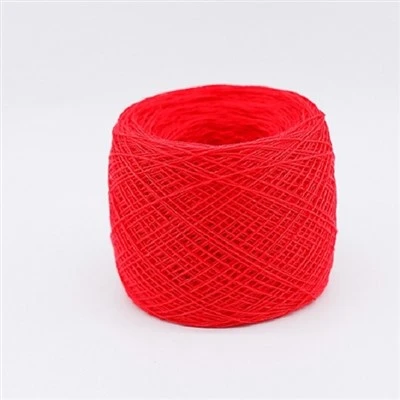
First, let’s break down what makes a yarn good for amigurumi, because amigurumi isn’t like crocheting a scarf or a blanket. Amigurumi is all about shape: tight, consistent stitches that hold their form, a soft feel that’s safe for kids and pets, and a yarn that doesn’t split easily (so you don’t ruin tiny details like eyes or smile lines). Wool, in particular, is a great base because it’s durable, has natural spring that helps stuffed pieces keep their shape, and it’s easy to work with once you get the hang of it. But not all wool is created equal. Let’s talk about the types of wool yarn that work best, and why.
Worsted weight wool is probably the most versatile choice for amigurumi, especially if you’re a beginner. Worsted weight (sometimes called “aran”) is a medium-thickness yarn, so your stitches are big enough to work quickly, but not so bulky that your amigurumi ends up lopsided or too heavy. I recommend a 100% wool worsted weight from breeds like Merino or Corriedale for amigurumi, because these wools have a natural crimp that gives your finished piece the “bounce” it needs to hold its shape. For example, a chubby teddy bear made with 100% Merino worsted weight will stay round for years, whereas a craft yarn that’s 50% acrylic and 50% wool might start to flatten after a few months. The key here is to look for a yarn with a tight twist—this means the fibers are spun together firmly, so your stitches don’t stretch out when you’re stuffing your amigurumi, and your details (like button eyes stitched through the yarn) won’t pull loose.
Wait, but what if you’re making tiny amigurumi, like a 2-inch mushroom or a mini keychain character? Then a DK weight wool is your best bet. DK weight is thinner than worsted, so it’s easier to work with small hooks (size 3.25mm to 3.5mm, which is standard for small amigurumi) without splitting the yarn. Splitting yarn is one of the biggest headaches for amigurumi makers, especially when you’re trying to stitch a tiny nose. DK weight wool, especially superwash DK wool, is perfect here because it’s smooth, has even fibers, and doesn’t split as easily as a thicker worsted. Superwash wool is treated to be machine washable, too—so if your mini amigurumi keychain gets dirty, you can toss it in the wash without worrying about it felting or shrinking. That’s a huge plus for crafters who make amigurumi to sell, because customers often ask for washable items for their kids or pets.
Now, let’s talk about two common mistakes people make when choosing wool for amigurumi: using bulky yarn or using fuzzy (bouclé) yarn. Bulky yarn might seem like a time-saver, but it’s way too thick for most amigurumi. A 10cm tall amigurumi made with bulky yarn will end up stiff and unproportionate, and the stitches will be too loose, so it will go limp. Fuzzy bouclé yarn looks adorable for a big, shaggy dog amigurumi, but it’s terrible for small details. The loops of bouclé will make it hard to stitch on eyes and mouths, and the yarn will fray easily, so your amigurumi will lose its shape over time. I’ve seen so many crafters come to me with a pile of fuzzy yarn they bought on sale, only to abandon their amigurumi project because they couldn’t figure out how to work it—save the bouclé for a big blanket, not your tiny fox.
Another important factor: single-ply vs. plied yarn. Most amigurumi experts recommend plied yarn for this project, because plied yarn is made by twisting multiple strands of fiber together. This makes it stronger, more durable, and less likely to stretch. Single-ply yarn, while soft, is usually just one strand of fiber, so it will stretch out when you stuff your amigurumi, and the stitches will lose their tightness. That’s why plied wool is non-negotiable for amigurumi—your finished piece will hold its shape much better.
Now, let’s dive into specific wool types, because not all wool breeds are the same for amigurumi. Merino wool is a fan favorite for amigurumi because it’s soft, fine, and has great spring. It’s also hypoallergenic, which is perfect for amigurumi that will be around babies or people with sensitive skin. Corriedale wool is another great option—it’s a bit sturdier than Merino, so it’s perfect for amigurumi that will get a lot of play, like a child’s stuffed animal. I’ve had customers tell me their Corriedale amigurumi has lasted 5 years through countless washings and rough play, and it still looks as good as the day they made it. Shetland wool is a bit more rustic, with a little more texture, so it’s great for amigurumi that needs a “handmade” look, like a rustic snowman or a woodland creature. Just keep in mind that Shetland wool can be a bit more prone to splitting, so if you’re a beginner, you might want to stick with Merino or Corriedale first.
What about blends? A lot of yarn brands mix wool with acrylic or other fibers, and while some blends are fine for amigurumi, you have to be careful. A 70% wool / 30% acrylic blend is a good middle ground—it’s cheaper than 100% wool, more durable, and still has enough of wool’s spring to hold shape. But if you go too heavy on acrylic (like a 50/50 blend), the yarn won’t have the same bounce, so your amigurumi will go limp over time. And stay away from 100% acrylic yarn—even the “soft” acrylic blends are too slippery, so your stitches won’t stay tight, and your amigurumi will lose shape immediately. I always recommend 100% wool or a high-wool blend (70% wool or more) for amigurumi, because acrylic just doesn’t have the natural properties that make wool ideal for this craft.
Now, let’s talk about hooks, because yarn and hook size go hand in hand. If you’re using worsted weight wool, a size 4mm or 4.5mm hook is perfect for amigurumi—it will give you tight, consistent stitches without being too hard to work with. For DK weight wool, a 3.25mm or 3.5mm hook is standard. The key here is to match your hook size to your yarn to get the right tension. If your stitches are too loose, your amigurumi will be floppy; if they’re too tight, it will be stiff and hard to stuff. Wool is forgiving, though, so even if you’re a beginner, you’ll get the hang of it pretty quickly.
I’ve seen so many crafters go wrong with the wrong yarn choice. I remember one customer, a woman who makes amigurumi to sell on Etsy, came to me a few years ago because her sales were dropping. She was using a cheap 50% acrylic / 50% wool blend for her animals, and customers were complaining that the arms fell off and the noses unraveled after a week. She switched to our 100% Merino worsted weight, and within a month, her sales went up 40% because customers noticed the difference in quality. That’s the thing about amigurumi: people will pay more for a well-made, durable piece that keeps its shape. The yarn is the foundation of that.
If you’re just starting out with amigurumi, here’s my recommendation: grab a skein of our 100% Merino worsted weight. It’s soft, easy to work with, holds its shape perfectly, and works with a standard size 4mm hook. It’s also machine washable (if it’s superwash Merino, which ours is!), so you don’t have to panic if your creation gets dirty. For tiny amigurumi, go with our superwash DK Merino wool—its thinness makes it easy to work small hooks, and it doesn’t split, which is a lifesaver for tiny details.
Now, let’s cover a few final tips. First, always check the yarn’s twist before you buy it. If you can pull a strand apart easily, or if the yarn looks fuzzy and loose, it’s probably not a good choice for amigurumi. A tight twist means the fibers are spun together firmly, so your stitches will stay tight. Second, if you’re selling your amigurumi, prioritize washable wool. Superwash wool is treated to resist felting and shrinkage, so it’s safe for machine washing, which is a big selling point for customers. Third, don’t be afraid to experiment a little—once you’re comfortable with worsted weight, try DK for tiny projects or Corriedale for sturdy play items.
At the end of the day, the best wool yarn for amigurumi depends on what you’re making, but the best all-around choice is a high-quality, plied wool yarn with a tight twist, either worsted or DK weight. It’s durable, holds shape, is soft, and will make your amigurumi look professional and long-lasting.
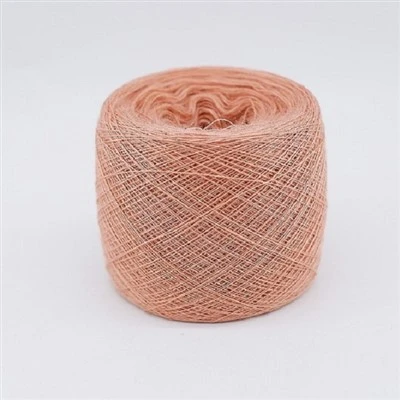
If you’re looking for the right wool yarn for your next amigurumi project, or if you’re a crafter or small business owner looking to stock high-quality wool yarn for your creations, reach out to our team to talk through your needs. We have a range of Merino, Corriedale, and superwash wool yarns perfect for amigurumi, and we’re happy to help you pick the right weight and type for your project.
Fancy Yarn References
- The Spruce Crafts. (2023). "Best Yarn for Amigurumi: A Guide to Choosing the Right Yarn for Your Crochet Projects."
- International Wool Textile Organisation (IWTO). (2022). "Properties of Wool Yarns for Handicrafts and Textile Applications."
- Crochet Today. (2021). "How Tension and Yarn Choice Affect Amigurumi Shape and Durability."
- Craft Yarn Council. (2023). "Yarn Weight Standards and Recommendations for Crochet Projects."
Huangshan Aotai Textile Co., Ltd.
As one of the most professional wool yarn manufacturers and suppliers in China, we’re featured by quality products and good service. Please rest assured to wholesale bulk premium wool yarn in stock here and get quotation from our factory. We also accept customized orders.
Address: Development Zone, Bei’an Town, She County, Huangshan City, Anhui Province
E-mail: aotaifangzhi2007@163.com
WebSite: https://www.cn-aotai.com/
