If you’ve ever stared at a squealing, slipping wood chipper belt while a pile of branches waits to be turned into mulch, you’ve probably asked yourself: “Can I swap this belt out myself instead of paying a pro to come haul my machine and fix it?” As someone who’s spent the last 8 years selling belt-type wood chippers (yeah, the loud, workhorse kind that make yard and farm jobs way less messy), I’ve fielded this question a hundred times—some from folks with zero DIY skills, others from seasoned mechanics who just want to skip the wait. The short answer is: Yeah, you can do it… but only if you know what’s actually safe, and what’ll turn a 20-minute job into a $500 trip to the repair shop. Belt Type Wood Chipper
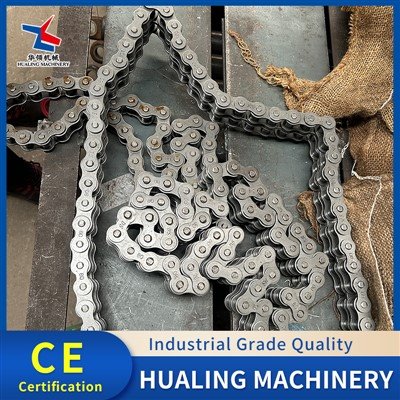
First, let’s cut through the noise. Belt-type wood chippers rely on one or more drive belts to transfer power from the engine to the chipper’s flywheel (the metal disc that chews up branches). Over time, these belts wear out—they stretch, crack, glaze from friction, or get snagged by stray branches that pull too tight. If your chipper’s making a high-pitched squeal when you fire it up, or you notice it’s struggling to chip thick branches without stalling, that’s a dead giveaway the belt’s shot. But before you grab a wrench, you need to nail two basics: your chipper’s model-specific belt size, and the right tools for the job. Too many new buyers grab a random belt from the hardware store, only to find it’s either too loose (slips every time) or too tight (snaps mid-use). That’s not a DIY fail—that’s skipping the research.
Now, let’s break down the step-by-step, no-fluff process I walk customers through. First, and I can’t stress this enough: Disconnect the spark plug wire before touching anything on the belt assembly. A friend of mine skipped that step once, his hand slipped, and the flywheel spun, cutting his glove off (luckily not his finger, but still—dumb mistake). Next, locate the belt guard—those metal or plastic covers that hide the drive system. Most chipper belt guards are held on with 4-6 bolts, so grab a socket wrench and loosen them (no need to fully remove them, just slide them aside to get access to the belt and the tensioner pulley).
The tensioner pulley is the part that keeps the belt tight—this is your key to removing and installing a new belt. On almost all belt-type wood chippers, you’ll find a bolt or a spring-loaded arm that lets you release tension on the pulley. For smaller, single-belt models, you just pull the tensioner arm away from the existing belt, slip the old belt off the pulleys, then carefully loop the new belt around the engine pulley and the flywheel pulley (pro tip: Take a quick phone pic of the old belt’s routing before you take it off—nothing worse than fumbling to remember which side the belt goes on). For dual-belt systems, it’s almost the same, just repeat the process for the second belt (and always replace both belts at once if one’s worn—mixed belts stretch differently and cause slips).
Once the new belt is in place, you’ve got to adjust the tension correctly. This is make-or-break. Too loose, and the belt slips, wears out fast, and wastes engine power. Too tight, and it strains the engine, bearings, and flywheel, leading to expensive breakdowns. The rule of thumb I tell customers: For a new belt, you should be able to push down on the middle of the span between the two pulleys with your thumb and get 1/2 to 3/4 inch of give. If it’s more than that, tighten the tensioner; if it’s less, loosen it a touch. Then, fire the chipper up for 10 seconds, turn it off, let it cool, and re-check the tension—new belts stretch a little the first time they’re used, so you’ll want to adjust again after that initial break-in.
But wait—this works only if your chipper is a belt-type machine with a standard spring-loaded tensioner. If your chipper has a worn-out flywheel shaft, or a misaligned pulley, DIYing the belt swap isn’t just hard—it’s dangerous. A customer of mine last year tried to swap a belt on a chipper that had a slightly bent flywheel pulley, and the new belt snapped, flying into his garage door and cracking it. That’s why I always tell people to do a quick pre-check before starting: Spin both pulleys by hand to make sure they turn smoothly, no wobbling. If a pulley is wobbly, that’s a problem that’s way beyond a belt swap—you need a mechanic.
Also, don’t cheap out on the belt. I’ve had too many customers buy a $10 generic belt from a big-box store, only for it to last 2 weeks. The right belt isn’t just about matching the length—you need to get a belt made for belt-type wood chippers, not a generic V-belt. Those chipper belts are reinforced to handle the heavy torque from the flywheel, so they don’t stretch or snap. If you’re not sure which belt you need, just shoot me a message with your chipper’s make and model, and I can point you to the exact replacement—no hassle, no guessing.
Now, let’s be real about when to call a pro. If you’ve never turned a wrench before, and you look at the tensioner and have no clue how to move it, it’s probably worth paying a shop $50-$100 to do it. But even then, most good shops will walk you through it over the phone if you’re willing to try. Another time to skip DIY: If your chipper is under warranty. Most warranties require you to use an authorized service tech for repairs, so swapping the belt yourself could void your coverage. I’ve had a couple customers learn that the hard way—don’t be that person.
Wait, let’s talk about common mistakes I see new DIYers make. One: Forgetting to lubricate the tensioner pulley’s bearing when you’re reassembling. A little spray lubricant on the pulley after you put the belt on makes it last way longer. Two: Using the wrong belt size. I can’t tell you how many times a customer showed up to the shop with a belt that was 2 inches too long, just because they measured the old one wrong. Always measure the old belt’s length with a soft measuring tape, or check the model number stamped on the belt itself—most wood chipper belts have a part number printed on them that you can use to order the exact replacement. Three: Skipping the spark plug disconnect. I mentioned this earlier, but it bears repeating—never, ever work on the belt without disconnecting the spark plug. One wrong move and you could get a serious injury.
I know a lot of folks go the DIY route to save money, and that makes total sense. A belt swap takes 20 minutes if you know what you’re doing, versus a few hours of waiting for a tech and their service fee. But it’s not just about saving cash—it’s about making sure your chipper runs safely. I’ve seen so many accidents from people rushing through a belt swap, cutting corners, not following the steps. That’s why I always tell customers to take it slow, double-check every step, and if something feels off, stop and ask for help.
At the end of the day, replacing a belt on a belt-type wood chipper is a totally doable DIY job—if you’re mechanically inclined, take safety seriously, and do your research. But if you’re unsure, or if your machine has any other issues beyond a worn belt, don’t risk it. I’ve helped hundreds of customers swap their own belts, and I’d be happy to help you too—whether you need help picking the right belt, troubleshooting a tight or slipping belt, or just want to make sure you’re doing it safely.
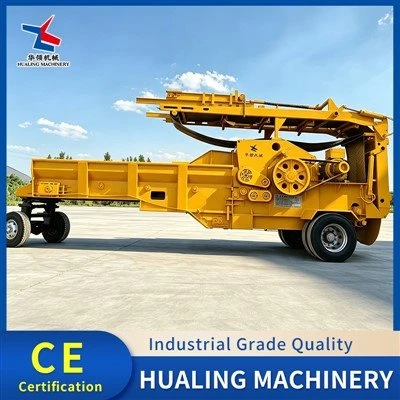
If you’re ready to replace your belt, or you have questions about your wood chipper’s maintenance, feel free to reach out and chat with our team. We’re here to help you get your chipper up and running without the hassle, so you can get back to chipping those branches and making your yard look great.
Belt Type Wood Chipper REFERENCES:
- American Society of Agricultural and Biological Engineers. (2021). Safety Standards for Agricultural Chippers.
- Outdoor Power Equipment Institute. (2022). Maintenance Guidelines for Belt-Driven Power Tools.
- Chipper Service Association. (2023). DIY Belt Replacement Best Practices for Wood Chippers.
Shandong Hualing Machine Manufacturing Co., Ltd.
As one of the most professional belt type wood chipper manufacturers and suppliers in China, we also support customized service with low price. Please rest assured to buy discount belt type wood chipper in stock here from our factory. If you have any enquiry about quotation, please feel free to email us.
Address: Industrial Park, Dagong Village, Changshan Town, Zouping City, Shandong Province
E-mail: hualing@sdhualing.com
WebSite: https://www.hualingmachine.com/
