If you’ve ever run a small clothing brand, a custom accessory line, or even a small batch of handcrafted textiles, you’ve probably stared at your production line for an hour trying to pick the right way to mark your work. Heat transfers peel after three washes, paper tags crumple in a single shipment, and iron-ons leave stiff, uncomfortable spots on fabrics that customers complain about immediately. That’s where woven labels come in—and as a supplier who’s worked with hundreds of makers over the last eight years, I can tell you they’re far more than just a fancy name tag for your products. Let’s break down their actual, practical advantages, the ones that actually move the needle for brands, not just marketing fluff. Woven Label
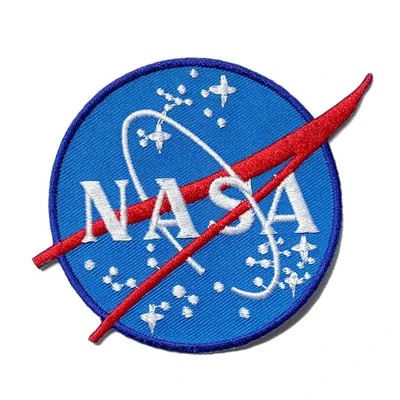
First, woven labels outlast almost every other labeling method on the market, and that’s not just a guess from my warehouse floor—it’s from watching the labels I’ve supplied hold up through thousands of washes. I remember a client who makes premium activewear for runners; a few years back, she tested three different labels for her line: heat transfers, printed fabric labels, and woven labels. After four months of testing (that’s 120+ washes, for anyone counting), she came back to me with photos. The heat transfer was half-peeled off the inside of a waistband, the printed label had faded to a ghost of its original logo, and the woven label looked exactly like it did on day one. Woven labels are made by threading yarn together tightly under high tension, unlike printed labels, where ink sits on top of the fabric surface and cracks or fades. That interwoven structure means the logo or text is part of the label itself, not just added on top, so it doesn’t break down with regular use. For brands that sell durable goods—activewear, outdoor gear, baby clothes, even heavy home textiles like linen tablecloths—this longevity isn’t a nice-to-have; it’s a core part of their product’s value. Customers don’t want to buy a $50 hoodie and have the logo fall off after two washes. Woven labels solve that.
Then there’s comfort, which is a huge point I see brands sleep on all the time. A few months ago, a customer reached out to me in a panic, saying all her woven labels were missing half her order because her seamstress kept complaining they “prick and irritated every customer that tried them on.” I went out to her studio that afternoon (I try to do that when I can, small talk is how I learn what clients actually need) and realized she’d picked a coarse, cheap yarn for her labels to save a few cents per unit. Once we switched to a finer mercerized cotton yarn, her seamstress went from avoiding the labels to asking when the next order would arrive. Woven labels can be made with yarns of different weights and textures, which means you can customize them to sit flat against fabric without scratchy edges. Unlike hang tags that dangle awkwardly or paper labels that bunch up, woven labels are cut to a narrow, tailored shape and sewn directly into the seam, so they’re barely noticeable unless someone is looking for them. For baby clothes, sleepwear, or underwear—products where comfort is non-negotiable—this is make-or-break. I had another client who sells organic cotton onesies; she switched from printed labels to soft woven labels last year, and her customer reviews about “itchy tags” dropped by 90% within two months. That’s not a small difference; it’s the kind of feedback that keeps people coming back to your brand.
Brand consistency is another big one, especially for small brands that are still building recognition. When you print a label, the ink can shift a little from batch to batch—one order’s logo might be slightly brighter than the last, or the text might be misaligned if the printer has a hiccup. Woven labels eliminate that problem entirely because they’re created with a loom that programs the logo exactly once, and every single label coming off that loom is identical. I’ve had a brand that sells minimalist linen bags come to me after switching from a local printer, because their bags were getting returned when the new label’s font was slightly thicker than the old one. Woven labels mean your brand’s identity stays the same, order after order, season after season. That consistency is key for customers who become loyal; they start to recognize your specific woven label as part of your product, so when they see it on a new item, they know exactly what they’re getting. It’s a subtle thing, but it adds up to stronger brand recognition over time.
Durability and comfort aside, woven labels are also way more versatile than most people give them credit for. You don’t have to stick to rectangular, boring shapes. I’ve supplied labels for clients that are curved for the inside of a collar, circular for the back of a knit hat, even tiny, 1cm square labels for the inside of sock cuffs that barely take up any space. They work on almost every fabric too: cotton, polyester, linen, nylon, even technical fabrics used in sportswear that are too stretchy or smooth for other labeling methods. A few months ago, I got a request from a brand that makes custom bike shorts, which have really stretchy, slick fabric. Heat transfers peeled off after the first wear, printed labels faded after three washes, but woven labels sewn into the waistband stayed put and didn’t cause any friction while riding. That kind of versatility is huge for brands that make mixed product lines—if you sell everything from t-shirts to tote bags to headbands, woven labels can adapt to each product without any extra hassle.
Another point that people don’t talk about enough is the perceived value of woven labels. When a customer holds a garment and feels a soft, tightly woven label sewn into the seam, they automatically assume the product is higher quality. I see this all the time: when a brand switches from paper tags or cheap printed labels to woven labels, their customers are willing to pay $5-$10 more for the same product, just because the label feels better. It’s a small detail, but it sends a big message. It tells customers that you care about every part of their experience, not just the fabric of the shirt itself. For small brands that are competing with fast fashion, that perceived value is one of their biggest advantages. Fast fashion brands often use cheap, disposable labels to cut costs, so using a woven label is a quick way to set your brand apart and make customers feel like they’re buying something that’s worth keeping.
I want to be real with you, though—woven labels aren’t the cheapest labeling option out there. If you’re making a run of 100 cheap t-shirts for a school fundraiser, a printed paper tag is going to be cheaper upfront. But when you factor in longevity, return rates, and customer satisfaction, woven labels actually save you money in the long run. Let’s do the math: if you sell a t-shirt for $25, and 5% of your orders come back because the logo fell off, that’s $1.25 per returned item. Over 1,000 orders, that’s $1,250 in returns and replacements. Woven labels cut that return rate to almost zero, so you don’t have to spend that money. Plus, as I mentioned earlier, you can charge more for a product with a woven label, so you’ll make more per sale. It’s an investment, but it pays off quickly.
I’ve been in this industry long enough to see trends come and go. Right now, a lot of brands are obsessed with no-label care tags, which makes sense for comfort, but if you’re building a brand, you need to mark your work so customers know it’s yours. I’ve had clients try no-label tags, only to come back a year later asking for woven labels because they couldn’t track sales or stand out on social media. When you post a photo of your product for Instagram, that woven label is a subtle detail that can make your photo look more professional and put-together. People notice that stuff, even if they don’t always say it out loud.
At the end of the day, the best advantage of woven labels is that they work for both brands and customers. They last through years of washes, they’re comfortable to wear, they keep your brand consistent, and they add a little touch of quality that makes people want to come back. If you’re still deciding what labeling method to use for your next product line, I’d encourage you to give woven labels a try. It’s a small change that can make a big difference for your brand, your customers, and your bottom line.
If you’re ready to start designing custom woven labels for your products, I’m here to help. We work with brands of all sizes, from small craft makers to larger clothing lines, and can help you pick the right yarn, size, and shape for your specific needs. We offer free design proofs for all new clients, so you can see exactly what your labels will look like before you place an order.
Printing Patch References
- Textile Labeling Standards and Best Practices, Textile Institute, 2021
- Consumer Perception of Clothing Branding Details, Journal of Fashion Marketing and Management, Volume 25, Issue 3, 2020
- Durability Testing of Garment Labeling Methods, International Journal of Clothing Science and Technology, Volume 32, Issue 5, 2020
- Comfort Analysis of Apparel Labeling, Applied Ergonomics, Volume 85, 2020
Yiwu Lanying Garment Accessories Co., Ltd.
As one of the most professional woven label manufacturers and suppliers in China, we’re featured by quality products and good service. Please rest assured to wholesale premium woven label at competitive price from our factory. Customized orders are welcome.
Address: F1,NO.448, Majiaotang Village, Houzhai Street, Yiwu City, Zhejiang Province, China 322000
E-mail: zhangchunyingzi@126.com
WebSite: https://www.embroideredpatchfactory.com/
