Hey everyone, let’s cut to the chase—if you’ve ever shopped for concrete mixers, you’ve probably stumbled on two big categories: stationary and mobile. As a concrete mixer supplier who’s talked to hundreds of contractors, landscapers, and small construction guys, I know this stuff can feel like gibberish if you’re not deep in the biz. I’ve seen folks waste cash on the wrong machine, or struggle to get a job done because they picked the wrong one. So today, I’m breaking down exactly what separates these two mixers—no fancy jargon, just real talk from someone who sells these things every day. Concrete Mixer
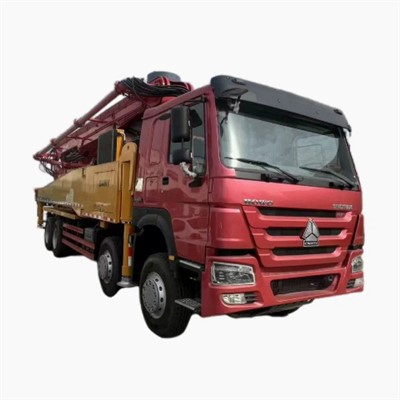
First off, let’s get the basics straight. A stationary concrete mixer, like my company supplies, is built to live in one spot—parked on a construction site, a batch plant, or a permanent yard, never moving (or at least not without a whole team and a flatbed truck). A mobile mixer? That’s the wheeled (or sometimes tracked) one you can haul behind a pickup, or drive right to where the concrete’s needed. But the difference isn’t just where they hang out. It’s in how they work, what they’re good for, and who should buy them.
Let’s start with stationary mixers because they’re the workhorses of big-scale projects. I’m talking about the big, bulk batch units you see at ready-mix plants, or the 2-10 cubic yard ones set up on a major road job that’s gonna last weeks or months. The key here is they’re designed for high-volume, consistent batches over long periods. They don’t have to be light or easy to tow, so their build is way more heavy-duty. For example, the stationary pan mixers we sell have thicker steel drums and powerful electric or diesel motors that can crank out 50+ cubic yards of concrete an hour—way more than any mobile unit can handle. That matters for projects like high-rise foundations, bridges, or large residential developments where you need hundreds of yards of concrete, all mixed to the exact same ratio, day after day.
But wait—stationary mixers aren’t just for giant plants. We also sell small stationary mixers (1-2 cubic yards) for jobs where you’re staying put for a while, like building a new barn or a community pool in a fixed location. The downside, though, is you can’t move ’em easily. If you book a job at a house on Main Street, then get another call for a patio 15 miles away the next week, you’d have to rent a flatbed to move a stationary mixer—and that costs you time and money. A lot of guys I work with regret going stationary for a small, short-term job because of that mobility limitation.
Now mobile mixers—these are the ones that changed the game for small to mid-sized contractors. Think about the guys doing driveways, walkways, small commercial slabs, or even remote jobs where a ready-mix truck can’t fit (like a mountain cabin or a backyard renovation with tight access). Mobile mixers are compact, lightweight, and built to tow—most have a trailer hitch, so you can pull ’em with a half-ton pickup. A typical mobile batch mixer is 3-6 cubic yards, so you mix the concrete right at the job site, no waiting for a ready-mix truck that might get stuck in traffic. That’s a huge perk for small jobs where you only need 2-10 yards of concrete total.
But mobile mixers have their limits, too. Their motors are smaller, so they can’t handle huge volumes—maxing out around 15-20 cubic yards an hour, which is fine for small stuff but a joke for a high-rise foundation. Also, their drums aren’t as heavy-duty, so if you’re mixing super harsh concrete (like for foundation footings with lots of aggregate), they might wear out faster than a stationary unit. I’ve had a customer bring back a mobile mixer a year early because he was trying to mix too much high-strength concrete, and the drum’s welds cracked. Don’t get me wrong—mobile mixers are great for what they’re made for, but they’re not built for 10-hour days of heavy mixing.
Let’s talk about batch quality, because that’s what actually makes concrete work. Stationary mixers are almost always batch mixers (wait, some are continuous, but most are batch) — they measure out exact amounts of cement, sand, aggregate, and water every single time, so each batch is consistent. That’s non-negotiable for structural jobs, where one bad batch can lead to foundation issues down the line. Mobile mixers are also batch, but because they’re smaller, the weighing systems are less precise (not bad—just not as exact), and the mixing time is a little shorter because they can’t run the drum as long without overheating. For most small jobs, that’s totally fine, but if you’re doing a load-bearing wall, you might want the extra consistency of a stationary unit.
Cost is another big one, and I hear about this nonstop from customers. Stationary mixers are way more expensive upfront. A 5 cubic yard stationary mixer can run $15k-$30k, plus you’ve got to pay for a concrete pad to set it up, and if you ever need to move it, that’s extra rental or labor. Mobile mixers are way cheaper—like $5k-$15k for a 4 cubic yard towable one. But wait, there’s a tradeoff: mobile mixers have higher operating costs over time if you’re using them a lot. Their smaller parts wear out faster, and if you’re hauling them 20+ miles a day, that’s gas money for your pickup. Stationary mixers have lower operating costs because they’re plugged in (usually) and don’t get towed around every week.
I also want to cover use cases, because that’s where most people mess up. Let’s say you’re a general contractor building a 10-unit apartment complex that’ll take 6 months—stationary is the way to go. You can set it up on-site, mix all the concrete you need, no waiting for ready-mix trucks, and the consistent batches will make your structural engineer happy. But if you’re a freelance landscaper who does 2-3 patio jobs a month, plus occasional driveway repairs, mobile is perfect. You can tow the mixer to each job, mix exactly how much concrete you need (so no waste), and don’t have to pay for a flatbed to move heavy gear.
Another thing I see a lot: people confuse stationary mixers with transit mixers (those big trucks you see on the road with the spinning drums). Wait, no—transit mixers are technically mobile, even though they’re big. They’re built to haul ready-mix concrete from a plant to a job site, not mix on-site. So that’s a separate category, but I mention it because new guys mix them up with mobile mixers. Mobile mixers mix on-site, transit mixers mix at the plant and transport.
Now, let’s get real about mistakes I see customers make. Last year, a guy came to me with a stationary mixer he’d bought for a small kitchen remodel job. He spent $22k on it, plus $1,200 for a concrete pad, and then realized he could only use it on that one job because he couldn’t move it easily. He ended up renting a mobile mixer for the next three jobs and selling his stationary mixer for half what he paid. That’s a $10k loss, just because he didn’t think about mobility. On the flip side, a small concrete company I work with bought three mobile mixers for a 100-yard slab job, and by the end, they were running nonstop, overheating the motors, and having to repair two of them mid-job. They realized they needed a stationary mixer for high-volume work, so they upgraded—and that’s the right call, as long as you use it for the right jobs.
What about maintenance? Stationary mixers have more complex electrical systems if they’re electric, but since they don’t move, there’s less wear on the hitch, tires, and brakes. Mobile mixers have simpler engines, but all that towing causes wear on the trailer frame, bearings, and the drum’s hydraulic system. Also, mobile mixers are more exposed to the elements when you’re towing them, so you have to cover them or store them properly to prevent rust. Stationary mixers, if they’re in a covered spot, last longer with less maintenance.
Wait, let’s not forget capacity. A small stationary mixer might be 1 yard, but a large industrial stationary mixer can be 20+ yards. Mobile mixers top out at around 8 yards, max—anything bigger is just too heavy to tow safely. So if you need more than 10 yards of concrete at a time, mobile is out, stationary is in. That’s a hard rule I tell every customer.
Now, who should buy which? If you’re a large construction company, batch plant, or handling long-term, high-volume structural jobs, stationary is the investment that’ll pay off. If you’re a small to mid-sized contractor, landscaper, do small structural jobs, or need mobility for remote sites, mobile is your guy. There’s no “better” one—it’s all about what you need to do.
I get it, picking the right mixer is stressful. You don’t want to waste money, and you don’t want to be stuck halfway through a job with the wrong machine. That’s why I always chat with customers before they buy—ask them how many jobs they do a year, how far they travel, how much concrete they need per job, and what kind of projects they’re taking on. Last month, I had a guy who thought he needed a stationary mixer until I told him he only did 5-7 yard jobs on average, 10 miles apart. He got a mobile mixer, saved $12k, and hasn’t looked back. The month before that, a guy thought a mobile would work for a 50-yard foundation job, and I talked him into a small stationary one—he told me later that the consistent batches saved him from a structural inspection fail, which would’ve cost way more than the mixer.
If you’re still on the fence, or you have more questions about which mixer fits your needs, don’t overthink it. Hit us up to connect and chat through your project details—no hard sell, just real advice from someone who’s been in this industry for years. We can walk you through our current models, answer any questions about specs, costs, and use cases, and make sure you get exactly what you need to get the job done right.
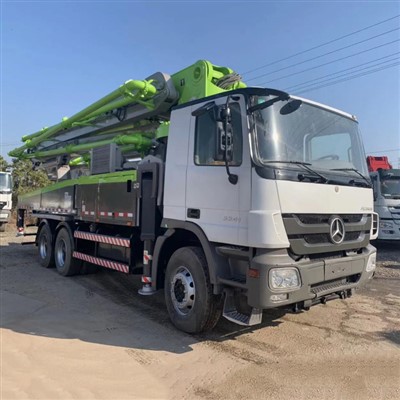
At the end of the day, the difference between stationary and mobile mixers isn’t just where they’re parked—it’s about matching the machine to your work. Pick the wrong one, and you’ll be fighting headaches all project long. Pick the right one, and you’ll be cranking out perfect concrete, on time, every time.
Self Loading Concrete Mixer Truckr References:
- Concrete Construction Magazine. (2022). "Batch Mixer Selection Guide for Structural and Residential Applications."
- American Society of Concrete Contractors. (2021). "Mobile vs. Stationary Mixers: Operational and Cost Comparisons for Small to Mid-Sized Projects."
- Global Concrete Industry Report. (2023). "Trends in Mixer Technology: Mobility, Capacity, and Batch Consistency for 2024."
Shandong Fuxin Automobile Technology Co., Ltd.
We’re well-known as one of the leading concrete mixer manufacturers and suppliers in China, featured by quality products and good price. Please rest assured to buy advanced concrete mixer made in China here from our factory. Contact us for more details.
Address: West of Nanshou Road, Beihai Road, Weifang City, Shandong Province
E-mail: h17616861003@gmail.com
WebSite: https://www.fuxinautomobile.com/
